
Prawns and Their Strange Popularity
Prawns have a strange place in Pakistan. People treat them like everyday food on some nights and like rare celebration food on others. Some families cook them casually without thinking much. Others wait for the winter season when the sea is calmer and the catches taste fresher. Whatever the case, prawns seem to hold a certain charm that keeps pulling people back. Maybe it is the quick cooking time. Maybe it is the clean flavor. Maybe it is the memory of seaside trips or late night restaurant runs. It is hard to trace the exact reason.
The Early Morning Market Scene
Walk into any seafood market early in the morning. You will notice how serious people look when buying prawns. They check the skin. They check the smell. They check how tightly the flesh holds. Even people who barely cook act like professionals for a few minutes. The market gives that confidence. Fresh catch has energy. It has its own mood. The air feels alive with salt and noise. Vendors shout loudly. Buyers argue. Ice cracks loudly under the trays. Kids run between the stalls. Everything feels chaotic but strangely warm.
Fishermen and Their Daily Rhythm
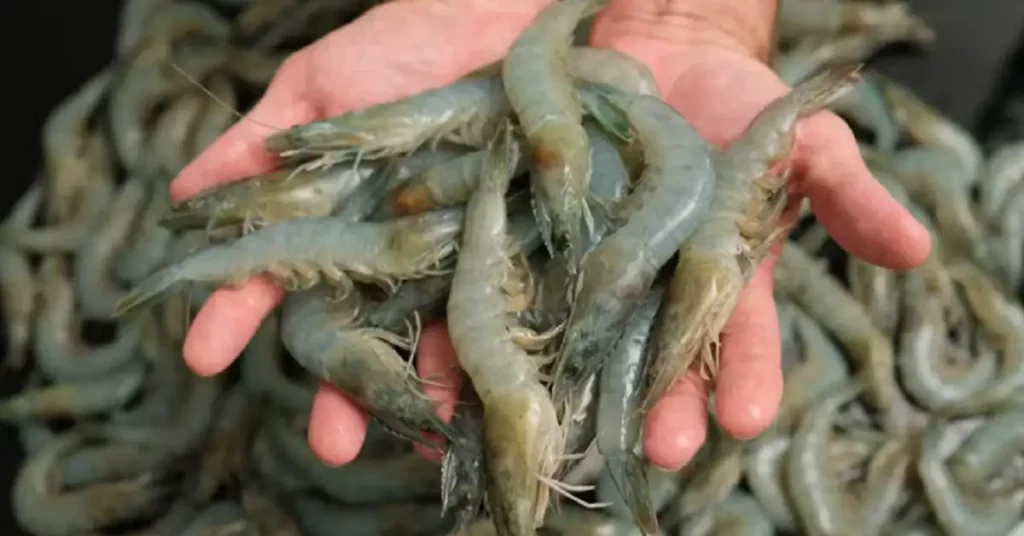
Fishermen usually arrive before sunrise. Their boats push against the waves slowly. Some workers jump off early to secure space at the docks. Nets get pulled onto the concrete. Crates get dragged across wet ground. Someone rinses a basket. Someone sharpens a knife. Someone shouts about the morning catch. Conversations overlap until they blur. You can see prawns glistening under the weak early light. Fresh ones always look firm. They look clean. They look ready for the market rush.
Why Freshness Feels Emotional
The journey from sea to table depends on many small steps. The timing matters. The temperature matters. The handling matters. If any step gets rushed or ignored, the taste changes. That is why experienced buyers wake early. They want the batch that arrives directly from the boats. They want to choose before crowds spill in. Many believe that the best prawns come before breakfast, when everything is still cold and untouched. There is something about that idea that feels true.
Prawns Across Regions and Kitchens
Prawns are interesting because every region cooks them differently. Karachi homes use rich masalas and heavy spice. Lahore families prefer crisp fried prawns with citrus. Up north, people keep flavors gentle and clean. Some restaurants dip prawns into thick gravies. Others grill them slowly over glowing charcoals. Every cooking method carries its own story. Every bite reminds you of a different place.
Old Coastal Traditions
In old coastal neighborhoods, prawns were regular food long before the rest of the country cared. Fishermen brought them home without fuss. Families cooked them with whatever spices they had. No fancy recipes. No complicated techniques. Just simple food from the water. These traditions survived for generations. You can still taste that simplicity in many home kitchens today.
Modern Trends and Growing Demand
The modern trend began slowly. Restaurants started experimenting. Food videos spread online. People saw easier recipes. Supermarkets stocked frozen prawns. Even people who lived far from the coast could suddenly try them. This access opened a new world. It made prawns feel reachable for people in cities far from the sea. That shift changed demand. When demand changes, prices follow. That is where things get complicated.
Where the Price Conversation Begins
Right in the middle of all this, many people search for prawns price in Pakistan because costs rise and fall constantly. Some months the rates feel reasonable. Some months they jump suddenly. Many factors play a role. Weather affects supply. Seasonal winds change catch volume. Fuel prices affect transport costs. Market demand shifts in winter. Restaurant seasons peak and crash. Families buy more during holidays. Everything creates movement.
Why Prices Jump in Winter
Prices usually rise the moment winter begins. People believe prawns taste fresher in cold weather. Markets get crowded. Restaurants fill fast. Families plan dinners. Vendors expect higher sales. All this pressure lifts prices. Some people accept it happily. Some complain loudly. Some wait patiently for a cheaper week. The pattern repeats every year.
Farming, Imports, and Supply
Farming also influences prices now. Fish farms grow slowly in Pakistan. Some produce prawns but not enough to meet full demand. Imported supply helps but brings its own price changes. When global rates jump, local markets feel it. When shipping slows down, supply drops. All this becomes part of the cost. Sellers adjust quickly. Buyers adjust slowly. That tension shapes the conversation around pricing every season.
Small Cities and Price Swings
In small cities, prawn prices shift more aggressively. Transport costs add layers. Freshness becomes tricky. Demand is inconsistent. When supply arrives in large batches, prices drop sharply. When supply fails, prices shoot upward overnight. People learn to read patterns. They follow vendors they trust. They make weekly rounds instead of monthly. Seafood buying becomes a skill. Not everyone learns it easily.
The Home Cooking Relationship
Home cooking plays a huge role too. Many people discovered prawns during lockdown years. They wanted something new. They wanted something quick. They wanted something comforting. Prawns checked all boxes. You could cook them in ten minutes. You could season them lightly. You could mix them into pasta or rice. You could experiment easily. This new relationship changed demand permanently.
Restaurants and Their Influence
Restaurants also push the trend forward. They keep creating new dishes. Prawn karahi. Prawn tempura. Prawn skewers. Garlic prawns. Creamy prawns. Every version finds an audience. Once people taste something interesting at a restaurant, they want to recreate it at home. That curiosity expands demand. More demand means more movement in prices. It all connects in a strange but logical way.
Markets as the Heart of It All
Markets remain the heart of the story. If you spend an hour in a seafood market during peak season, you understand why prawns cost what they do. You see the effort behind every crate. You watch vendors clean the catch. You watch them pour fresh ice. You watch them sort sizes carefully. You hear them argue about wholesale rates. You see buyers bargaining with surprising skill. This process shapes prices more than anything else.
Family Rituals and Memories
Families often treat prawn shopping like a small adventure. Kids tag along. Someone carries the bag. Someone checks freshness. Someone negotiates. Someone picks the vendor. These little rituals create memories. Later, when prawns cook at home, the flavor carries those memories with it. It feels more personal. It feels earned.
Why Cooking Prawns Feels Special
The cooking part brings its own charm. Kitchens fill with aromas quickly. Oil sizzles. Garlic softens. Spice warms. The first batch disappears before the rest finish cooking. Someone steals a piece. Someone burns their tongue. Someone argues about marination. Someone slices lemons. Someone adjusts the flame. It feels real. It feels human. It feels like home.
Looking Ahead
The future of prawns in Pakistan looks steady. Demand increases every winter. Restaurants innovate. Markets expand. Farms grow slowly. Buyers get more knowledgeable. Transport networks improve. Prices will still rise and fall, but the love for prawns will remain strong. They have become part of our food identity. Not entirely traditional and not completely modern. Something in between. Something evolving.
Final Thought
If you want to understand why prawns carry such value in Pakistan, visit a busy seafood market someday. Watch the movement. Feel the noise. See the effort. Hold a fresh prawn in your hand. You will understand the story better. Food tells truth quietly. You just have to stand close enough to hear it.