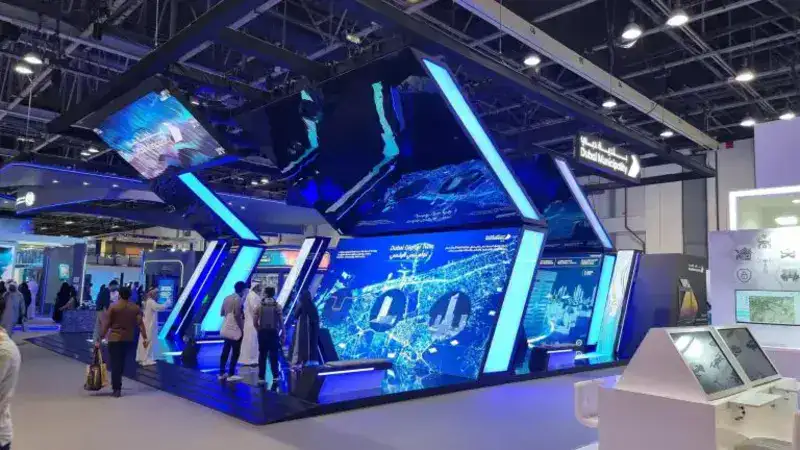

The event production industry is being reshaped by technological advancements. These innovations are enhancing how events are planned and experienced. As technology evolves, it sets new benchmarks for creating memorable events.
In today’s dynamic landscape, technology is a key driver in transforming event production. Traditional methods are being complemented by digital interactions, allowing for more engaging and immersive experiences. By integrating advanced technologies, event producers can create environments that captivate audiences and leave lasting impressions. This article explores how technology is redefining the event production industry and the benefits it brings to both organizers and attendees. For those involved in audio visual church production, these technological advancements offer new ways to enhance worship experiences and community events.
Innovative technologies in event production
Augmented reality (AR) and artificial intelligence (AI) are at the forefront of technological innovations in event production. AR enhances physical spaces by overlaying digital content, creating interactive experiences that engage attendees in unique ways. This technology allows for the transformation of any venue into a dynamic environment, offering personalized experiences that resonate with participants.
AI is revolutionizing event management by automating various tasks such as registration, feedback collection and personalized recommendations. These AI-driven tools analyze data in real-time, enabling organizers to make informed decisions that improve the overall event experience. The integration of these technologies not only elevates the attendee experience but also streamlines event operations, making them more efficient and effective.
Beyond AR and AI, the Internet of Things (IoT) is playing an increasingly significant role in modern event production. IoT devices such as smart badges, sensors, and connected lighting systems create a networked environment that collects valuable data about attendee movement, preferences and engagement patterns. This interconnected ecosystem enables event organizers to optimize venue layouts, manage crowd flow more effectively, and deliver personalized content to attendees based on their location and behavior. The data gathered through IoT devices provides actionable insights that help refine future events and create more targeted experiences that align with audience expectations and interests.
Holographic displays and projection mapping are emerging as transformative tools that create stunning visual experiences at events. These technologies enable organizers to transform ordinary surfaces into dynamic canvases that tell stories, showcase brands, and create immersive environments without extensive physical construction. Projection mapping can adapt any venue architecture into a multimedia spectacle, while holographic technology brings speakers and performers to stages remotely, eliminating geographical barriers. These visual innovations not only reduce setup costs and environmental impact but also provide unlimited creative possibilities that were previously unimaginable. As these technologies become more accessible and affordable, they are rapidly becoming standard elements in high-impact event productions across industries.
Enhancing audience engagement through technology
Engaging audiences is a crucial aspect of successful event production. Technology provides innovative solutions to enhance audience interaction and participation. Tools such as live polling apps and social media integrations enable attendees to actively engage during events, fostering a sense of community and involvement.
Hybrid events, which combine physical and virtual elements, have become increasingly popular. Virtual reality (VR) allows remote participants to experience events as if they were physically present, broadening the reach and impact of events. By leveraging these technologies, event producers can create engaging environments that cater to diverse audiences, ensuring meaningful experiences for all participants.
Gamification has emerged as a powerful tool for boosting audience engagement at events. By incorporating game-like elements such as challenges, leaderboards, point systems and rewards, event producers can motivate attendees to participate more actively throughout the experience. Mobile event apps with gamification features encourage networking, session attendance, and booth visits by offering incentives and creating friendly competition among participants. This approach not only increases engagement levels but also helps sponsors and exhibitors gain more visibility and meaningful interactions with attendees. The data collected through gamification activities also provides valuable metrics for measuring event success and attendee satisfaction.
Challenges in adopting new technologies
While the benefits of integrating technology into event production are clear, there are challenges to consider. One of the main hurdles is the cost associated with acquiring and implementing new technologies. Event producers must balance innovation with budget constraints, prioritizing essential tools that offer the most value.
Another challenge is the learning curve associated with new technologies. Event professionals need to be adequately trained to use these tools effectively. Despite these challenges, the potential benefits of embracing technology, such as increased efficiency and enhanced attendee satisfaction, make it a worthwhile investment for the future of event production.
Technical reliability and infrastructure requirements present additional obstacles when implementing new technologies in event production. Event venues may lack the necessary bandwidth, power capacity, or technical support to accommodate advanced technological solutions. Connectivity issues, software glitches, or hardware failures during live events can significantly impact the attendee experience and damage the event’s reputation. To mitigate these risks, event producers must conduct thorough technical rehearsals, have backup systems in place, and work closely with venue technical teams to ensure all infrastructure requirements are met. Building relationships with reliable technology vendors and maintaining contingency plans are essential strategies for overcoming these technical challenges and ensuring smooth event execution.
Future trends in the event production industry
The future of event production is set to be shaped by emerging trends and technological advancements. The introduction of 5G connectivity promises to revolutionize how events are experienced by providing faster data speeds and reduced latency, enabling seamless streaming and enhanced interactivity.
Blockchain technology is another trend that could redefine ticketing processes, ensuring secure transactions and reducing fraud risks. As these trends continue to develop, they will influence how events are planned and executed, making it essential for industry professionals to stay informed about technological advancements and their potential impact on event production.
In conclusion, the integration of innovative technology into event production is transforming the industry, offering new opportunities for creating memorable experiences. By staying abreast of technological advancements, event producers can craft events that captivate audiences and set new standards for excellence in the field.
Sustainability and eco-conscious technology solutions are becoming increasingly important in the event production landscape. Digital ticketing, virtual swag bags, and paperless registration systems reduce environmental impact while improving operational efficiency. Advanced projection mapping and LED technology minimize physical set construction waste, while energy-efficient equipment reduces carbon footprints. Event producers are also exploring carbon offset programs and using event management platforms that track and report sustainability metrics.
As environmental concerns continue to influence consumer behavior and corporate responsibility initiatives, integrating green technology solutions will become not just a competitive advantage but an expectation from attendees, sponsors, and stakeholders who prioritize sustainable practices in all aspects of business operations.