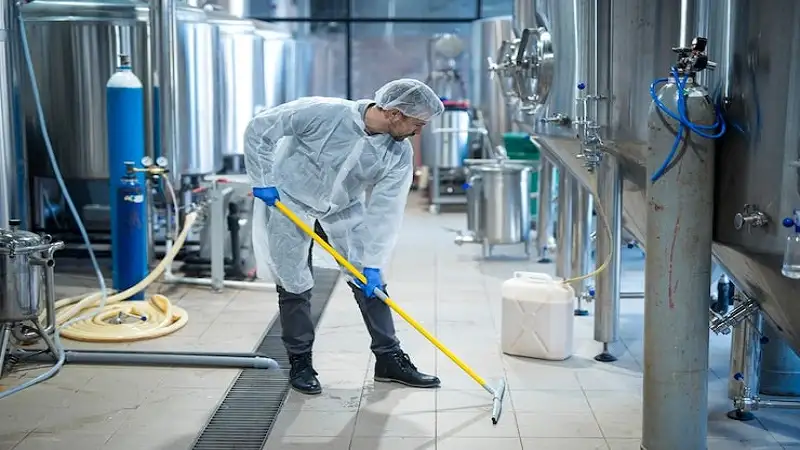

Precision cleaning plays a critical role in industries where even trace residue can cause failure. From electronics to medical devices, the margin for error is minimal. Engineers working in these environments rely on proven methods, strict controls, and the right materials to get consistent results. Many operations also depend on compliant ethanol distribution services to support safe and effective cleaning processes.
What High Sensitivity Applications Demand
In high sensitivity work, you do not get much room for error. Parts are often so small and precise that even invisible residue can still cause a failure. Even a light film can affect performance, conductivity, or sterility.
These environments also demand consistency, not occasional wins. Cleaning has to be just as solid at the end of a long shift as it is at the start of the day. That is why engineers focus on processes that hold steady across batches, shifts, and different operators.
Compliance adds another layer that people sometimes underestimate. Many industries require strict inspections and detailed records to back up every step. It is not enough to say a part is clean; you need to be able to show it.
Understanding the Sources of Residue
Residue can come from many sources during manufacturing. Oils, fluxes, particulates, and handling contaminants can all settle on sensitive surfaces. If left unaddressed, these materials become harder to remove.
Some residues bond chemically to surfaces. Heat, pressure, and time can make them cling more tightly. This is why delayed cleaning often leads to more aggressive methods later.
Environmental factors also play a role. Airborne particles, humidity, and human contact introduce new risks. Engineers must account for all of these sources when planning cleaning steps.
Process Design Is the Foundation
Precision cleaning starts with process design. Engineers map out every stage where contamination could occur. This allows them to insert cleaning steps at the most effective points.
Timing matters just as much as technique. Cleaning immediately after certain operations prevents residues from setting. This reduces the need for stronger solvents or longer cycles.
Process validation is equally essential. Engineers test and document results to confirm that cleaning methods meet required standards. This data becomes part of the quality system.
Selecting the Right Cleaning Agents
The cleaning agent you choose can save a process or create a whole new problem. It needs to lift the specific residue you are dealing with while staying safe for the materials underneath. That is why compatibility testing matters before anything is rolled out at scale.
Many teams lean on high purity solvents to keep results steady from run to run. Partnering with a dependable ethanol distributor helps keep supply consistent and specs predictable. That reliability supports performance goals and makes compliance easier to manage.
Engineers also have to think beyond the part itself. Safe handling, proper storage, and recovery systems all affect how a solvent performs in the real world. Cleaning is part of the operation, not a separate side task.
Equipment and Technique Matter
Precision cleaning is not just a matter of wiping and hoping for the best. Engineers use purpose built tools like ultrasonic tanks, controlled spray systems, and filtration units to get reliable results. If that equipment is not maintained and calibrated, even a good process can drift.
Technique matters just as much as the machine. Agitation time, temperature, and how long a part sits in a solvent all affect what comes off and what gets left behind. Small changes can be enough to create inconsistent outcomes.
That is why many teams turn to automation when the stakes are high. Automated cycles reduce handling and keep steps consistent from batch to batch. In high sensitivity work, repeatability is often the difference between passing and failing.
Verification and Inspection Methods
Cleaning is not finished until you know it worked. Engineers verify residue free surfaces using a mix of checks, from careful visual inspection to surface tests and lab-style analysis. The goal is to catch what the eye might miss.
The right validation method depends on what the part is used for. A standard that makes sense for electronics might fall short for medical or aerospace components. Engineers match the inspection approach to the risk and the failure consequences.
Documentation is what makes the result defensible. Clear records show the cleaning steps, the checks performed, and the outcome. That paper trail protects the product and the people responsible for releasing it.
Training and Discipline on the Floor
Even the best process fails without trained people. Operators must understand why precision matters. This awareness encourages careful handling and adherence to procedures.
Training should also cover everyday contamination control. Simple habits like using the right gloves, keeping benches clean, and limiting unnecessary handling make a real difference. These routines protect the work you just did instead of reintroducing the same problems.
Leadership sets the tone for how seriously standards are treated. When managers back the process and correct issues early, the team stays consistent. In the end, a clean culture is just as important as clean equipment.
Final Thoughts
Residue-free results are the product of intention, not luck, especially in high sensitivity work. Precision cleaning engineers rely on well-planned processes, the right materials, and thorough verification to meet strict requirements. Working with reliable partners and compliant ethanol distribution services helps ensure cleaning results remain consistent and dependable.