
Key Highlights
- Cremation allows flexibility in timing, setting, and tone
- A simple ceremony can still feel deeply personal and heartfelt
- Combining service and cremation does not mean sacrificing meaning
- Taking time often leads to a more thoughtful and authentic farewell
Planning a cremation ceremony often comes with more freedom than people expect. There’s no fixed script, no strict timeline, and no requirement to follow traditions that don’t feel right. For many families, that flexibility is comforting. For others, it can feel overwhelming, especially when emotions are still raw. The good news is that creating a meaningful farewell doesn’t require elaborate planning or grand gestures. What matters most is that the ceremony reflects the person being remembered.
A personal cremation ceremony is less about structure and more about intention. It’s about choosing moments, words, and settings that feel honest rather than formal. And that can look very different from one family to the next.
There’s No One Way to Say Goodbye
One of the most reassuring aspects of cremation is that it removes urgency. Families aren’t forced into immediate decisions or rigid schedules. Some choose to hold a ceremony before the cremation, others afterwards, and some wait weeks or even months until everyone feels ready. All of these choices are valid.
This flexibility allows families to separate the practical aspects from the emotional ones. You can focus first on taking care of immediate arrangements, then later create a moment of remembrance that feels right. For some, that means a quiet gathering at home. For others, it might be a small service at a chapel or a favourite outdoor place. The setting matters less than the meaning behind it.
Combining Service and Cremation Thoughtfully
Many families worry that choosing a simpler option means losing the opportunity for a proper farewell. In reality, a thoughtfully planned service and cremation can still include all the elements that make a ceremony meaningful. Music, readings, shared stories, and moments of silence can all be part of the experience, regardless of how formal or informal it is.
A ceremony doesn’t need religious structure to feel respectful. Some families include poems, letters, or even recorded messages from friends who can’t attend. Others focus on a single piece of music that captures the person’s personality. These choices often resonate more deeply than traditional formats, because they’re personal rather than expected.
Making It Personal Without Making It Complicated
Personalisation doesn’t have to mean complexity. In fact, the most moving ceremonies are often the simplest. Displaying a few photos, lighting a candle, or sharing a short memory can create a powerful sense of connection. Food can also play a role, whether it’s a shared meal afterwards or a favourite treat offered as part of the gathering.
Location can add meaning too. Some families choose places that mattered to the person being remembered—a beach they loved, a park they walked in, or even a backyard where many memories were made. These settings often help people relax and speak more openly, which can make the farewell feel more genuine.
Involving People in Small but Meaningful Ways
A ceremony feels more personal when it’s shared. Inviting others to take part, even in small ways, can make the experience feel collective rather than performative. Someone might read a poem, another might play music, while others simply stand and share a brief memory.
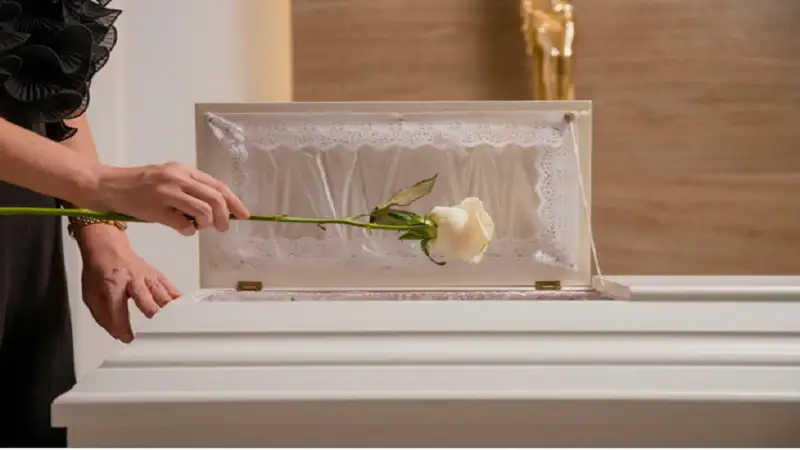
Children can also be included in gentle ways, such as placing flowers, drawing pictures, or helping choose music. These moments often become lasting memories for families and help everyone feel connected to the farewell.
Giving Yourself Time to Get It Right
Perhaps the most important thing to remember is that there’s no rush. Cremation allows families to take time to process their loss before deciding how they want to remember their loved one. Waiting doesn’t mean avoiding grief—it often means giving it space to settle.
A meaningful ceremony isn’t defined by size, cost, or tradition. It’s defined by how well it reflects the person and supports those left behind. Trusting your instincts, and allowing yourself time, often leads to a farewell that feels sincere, personal, and right.