
Key Takeaways
- The severity and location of tooth damage are prime factors in determining repair costs, affecting both the complexity and length of required dental procedures.
- Treatment types and materials have a notable impact on the final price, as do chair time, anesthesia requirements, and follow-up care.
- Where you live and your insurance coverage can significantly change your out-of-pocket expenses, sometimes making the same procedure much more affordable just a few miles away.
- Preventive care remains the most effective way to minimize future repair costs, reducing both the incidence and severity of dental injuries over time.
When you experience tooth damage, understanding what goes into the final repair bill can help you make informed choices about your dental care. Several factors, including the type and extent of damage, treatment methods, material selections, and even your geographic location, contribute to your overall dental repair cost. By being informed about these considerations in detail, you can prepare financially and have meaningful conversations with your dentist about available options and alternatives, making it easier to prioritize both your oral health and your budget.
Beyond the visible chip or crack, subtle considerations may influence the price of restoring your smile. For example, the location of a damaged tooth, whether in the front, where aesthetics matter more, or in the back, where function is key, can dictate both the type of treatment and the materials used. Sometimes, seemingly minor issues require more advanced interventions if the damage affects your bite or overall oral health. Additionally, the expertise and experience of the dental professional performing your procedure can play a role, as highly trained specialists or cosmetic dentists may command higher fees. All these details can shift your anticipated expenses, making it vital to ask questions before undergoing treatment, including queries about the necessity of each step and the long-term outcomes you can expect.
Your choice of a dental provider also plays a significant role in cost variation. Offices equipped with advanced digital imaging, 3D scanning, or same-day crown fabrication may charge more for their services due to their investment in cutting-edge technologies. On the other hand, clinics that streamline services, work with dental schools, or offer in-house savings plans may be able to pass on reduced expenses to patients by managing overhead more efficiently. Comparing a few regional practices is useful. Consider seeking detailed written estimates before work begins to avoid unpleasant surprises when the bill arrives, and ask about payment plans or discounts for those without insurance.
Seeking a practice with trusted care standards, such as North Orange Family Dentistry, often means transparent pricing and guidance about which services are necessary and which can be safely postponed for your budget. You should expect your provider to discuss the pros and cons of each option, help prioritize urgent needs versus elective care, and provide written breakdowns of expected costs across all stages of treatment.
Extent and Location of Damage
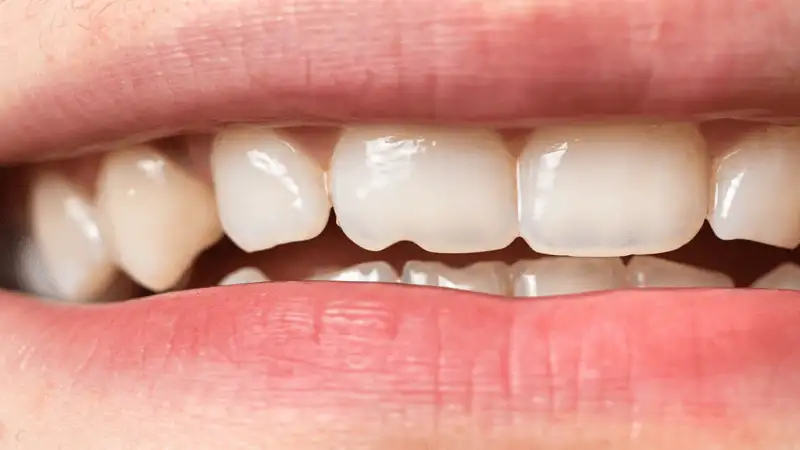
Not every damaged tooth will cost the same to fix. Minor chips, especially on visible front teeth, may require simple bonding completed in one visit and are generally less invasive. In contrast, fractures on molars or more complex injuries such as a crack that extends below the gumline or a tooth broken by major trauma can require involved procedures like crowns or even root canal therapies. For example, repairing a small chip with bonding typically costs between $300 and $600 per tooth, but it’s important to note that bonding may need to be replaced in future years. More complicated repairs, including a root canal and subsequent crown, can push the total above $2,500, especially if you require additional reinforcement or recovery time due to the tooth’s location or the surrounding gums. The need for tooth extraction and even gum surgery may add unexpected layers of expense when the structural damage is severe, underscoring the importance of early intervention.
Choice of Treatment Options
Your dentist’s recommended treatment plan is a critical factor in cost determination. Some of the most common options include:
- Dental Bonding:A straightforward and affordable fix for many chips or cracks, costing roughly $300 to $600 each. Bonding is ideal for minor repairs, but the material may not be as durable as other solutions especially in areas subject to heavy biting force.
- Dental Crowns:These provide added strength and coverage for heavily damaged teeth, effectively restoring both function and appearance. Costs per crown range from $800 to $2,500, depending on the material used and any preparatory work needed, such as building up a tooth with composite material if structure has been lost.
- Root Canal Therapy:Required when decay or trauma affects the tooth pulp, this procedure can cost anywhere from $1,000 to $2,500. In addition to the base procedure, follow-up appointments and crown placement can significantly increase total expenses, especially if a specialist (endodontist) is involved.
- Dental Implants:When a tooth is beyond repair, an implant may be necessary, with average prices ranging from $3,000 to $7,000 per tooth. This covers the surgical placement of the implant, the abutment, and the final crown and may also include bone grafting, which increases the cost and duration of the process.
Additionally, less common options such as inlays, onlays, or lab-fabricated veneers can be considered, each with its own price range and longevity profile. Dentists will usually customize recommendations based on your health history, overall oral hygiene, how visible the affected tooth is, and your personal budget or cosmetic goals.
Materials Used in Repairs
The materials selected for your procedure also significantly affect cost and durability. For crowns, porcelain is prized for its natural look and translucency but is generally more expensive than metals like gold or silver amalgam. Porcelain-fused-to-metal (PFM) options can offer a balance but may show a dark line at the gumline over time. Similarly, composite resin, common in bonding and fillings, is less costly and easier to apply, but it may not be as durable as alternatives such as ceramic or gold, which are more resistant to wear and staining. For those with allergies or sensitivities, certain high-end materials may be mandatory, occasionally driving prices higher. When weighing your options, ask your dentist to explain the pros and cons of each material in relation to your repair’s expected visibility, strength needs, and budget.
Geographic Location
Your local market directly impacts dental service costs. Urban centers and areas with a higher cost of living, such as large metropolitan cities, often see higher dental fees due to higher overhead costs for rent, wages, and utilities. For example, crowns in these areas can range from $1,000 to $3,000, while the same procedure in a rural area may be closer to $800. Regional disparities may also reflect the cost of dental supplies, competitive pressures among dental offices, and the population’s ability or willingness to pay. Even within states, pricing can shift dramatically, making it worth checking neighboring towns or city suburbs when major work is needed.
Dental Insurance Coverage
Insurance can make a substantial difference in tooth repair costs, reducing or eliminating out-of-pocket expenses for policyholders with robust coverage. Some plans cover only basic restorative work, such as fillings and extractions, while others include crowns, root canals, or even partial coverage for implants. Every plan has its own limits, deductibles, annual maximums, and exclusions, so familiarizing yourself with your benefits is essential. Pre-authorization for major work is often required, and copays can sometimes be higher if you use an out-of-network provider. Always contact your insurer for plan details before proceeding with dental work; your dental office can often help by submitting a pre-treatment estimate so you know your share.
Additional Procedures and Costs
The bill for tooth repair can expand beyond the obvious procedure. Initial consultations, diagnostic X-rays, and clinical exams add to your expenses. Temporary restorations may be required while awaiting permanent solutions from a dental lab, which can result in multiple visits and additional charges. Furthermore, sedation, emergency fees for after-hours care, or post-procedure check-ups can further affect your total bill. To avoid surprises, always ask your provider for a complete treatment estimate that itemizes all expected costs, and clarify what is included versus what may be billed separately.
Preventive Measures to Reduce Future Costs
Routine home care and consistent professional cleaning remain your best tools for limiting future dental expenses. Brushing twice daily with fluoride toothpaste, flossing between every tooth, and limiting sugary snacks can prevent the onset of decay and the need for costly repairs. Wearing mouthguards during sports or at night (if you grind your teeth) also preserves enamel and reduces the risk of trauma. Regular dental visits allow early detection of issues when they’re less expensive to fix, such as catching cavities before they grow or noticing signs of gum disease before it becomes severe. Many dental offices reward consistent preventive care with lower-cost treatment plans or membership programs in the long run. You can also explore additional resources from the American Dental Association on preventive dental care strategies to help you develop routines tailored to your needs.
Understanding the variables behind tooth repair costs can empower you to budget confidently and seek care tailored to your specific circumstances. Maintaining a transparent dialogue with your dentist and practicing diligent oral care are essential steps in keeping smiling expenses manageable without sacrificing quality or comfort in the long term.