
Key Takeaways
- Artificial intelligence (AI) is automating tasks and providing predictive analytics, resulting in increased efficiency in real estate operations.
- Blockchain enables secure and transparent real estate transactions, reducing fraud and streamlining closings.
- Virtual and augmented reality enhance the property viewing experience, enabling remote exploration.
- Big data analytics empower smarter investment decisions by revealing market trends and property values.
- IoT technologies streamline property management, enabling real-time monitoring and automation.
Table of Contents
- Artificial Intelligence in Real Estate
- Blockchain for Secure Transactions
- Virtual and Augmented Reality for Property Viewings
- Big Data Analytics for Informed Decision-Making
- Internet of Things in Property Management
- Conclusion
The transformation of the real estate world through digital technology is impossible to ignore. As more investors seek efficiency and transparency in buying, selling, and managing properties, digital tools are emerging as essential drivers of this change. From predictive artificial intelligence models to immersive virtual reality experiences, every stage of the investment process is evolving, fostering new possibilities for both seasoned investors and newcomers. For those looking to gain a competitive edge, turning to Seattle WA real estate experts Lake and Company Real Estate can connect them with professionals who expertly leverage the latest innovations for their clients’ success.
Digital trends are not only supporting smarter investment decisions but are also democratizing access to property markets. Investors can now participate in deals from afar, manage portfolios with greater precision, and trust in transparent transaction systems. The result is a market characterized by greater operational efficiency and tighter security—a welcome change for an industry traditionally known for bureaucracy and opaque processes. In this environment, property professionals and individual investors must understand how digital tools will shape the next chapter of the market.
Staying ahead means embracing technology-driven models for tasks like due diligence, asset management, and leasing, which once relied heavily on manual labor and paperwork. More than a fleeting trend, this digital shift represents a fundamental change, opening doors for innovation that benefits everyone, from first-time homebuyers to portfolio managers overseeing millions in assets.
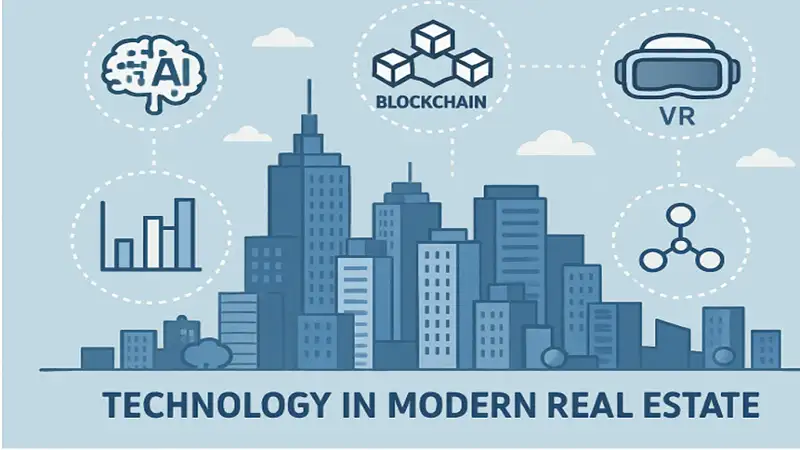
This article explores the core digital innovations reshaping the industry: artificial intelligence, blockchain, virtual and augmented reality, big data analytics, and the Internet of Things. Each plays a unique role in modernizing real estate investment, offering insights and efficiencies previously out of reach. For a deeper analysis of technology’s role across multiple industries, resources such as Forbes Real Estate provide regular updates and expert perspectives.
Artificial Intelligence in Real Estate
Artificial intelligence (AI) now serves as the backbone for data-driven decision-making, offering capabilities that far exceed human speed and accuracy. Through machine learning models, AI predicts property price fluctuations, identifies emerging neighborhoods, and even calculates optimal listing times. By automating repetitive and administrative tasks—from tenant screening to market research—AI allows investors and agents to focus on high-impact areas such as relationship-building and personalized advisory services. Research shows that artificial intelligence could automate nearly 37% of tasks in real estate, resulting in billions of dollars in operating efficiencies. As staff rely less on manual labor, client satisfaction and employee morale have both improved dramatically.
Blockchain for Secure Transactions
Blockchain is revolutionizing how investors approach security and verification in real estate transactions. The technology works by creating a decentralized ledger, offering clear-cut, chronological records that make property histories and title transfers virtually tamper-proof. Smart contracts execute and enforce real estate agreements automatically once agreed-upon conditions are met—reducing administrative overhead, legal costs, and the risk of costly errors. Investors can also make cross-border deals with unprecedented confidence, since the entire process is auditable and resistant to fraud. Streamlining property transfers with blockchain not only saves time but also builds trust among buyers, sellers, and regulators alike.
Virtual and Augmented Reality for Property Viewings
The days of limited, on-site-only property tours are giving way to interactive, remote walkthroughs, thanks to virtual and augmented reality (VR and AR). Potential investors can now explore every detail of a property from anywhere in the world. High-resolution VR tours offer immersive visualizations of layouts, interior finishes, and exterior views, while AR overlays provide contextual information such as dimensions, lighting, and even potential renovations. These digital viewings help investors and buyers save time, narrow down options quickly, and identify properties best suited to their specific needs before scheduling an in-person visit. For both residential and commercial investments, VR and AR are removing geographical barriers and streamlining the screening process.
Big Data Analytics for Informed Decision-Making
Big data has fundamentally changed the way investors analyze markets and predict returns. By leveraging massive data sets—from regional economic trends to demographic shifts and historical price patterns—investors can quickly assess market health and forecast future value with far greater precision. AI-driven platforms process this data and generate actionable insights, highlighting regions poised for appreciation or downturn and recommending optimal investment windows. Big data also enables more sophisticated tenant screening, risk analysis, and property management operations, shrinking decision timelines and multiplying returns by reducing the guesswork found in traditional investing models.
Internet of Things in Property Management
The Internet of Things (IoT) is turning traditional buildings into smart assets, enabling real-time data collection and automation that enhances property management. IoT devices—such as connected thermostats, lighting systems, and predictive maintenance sensors—help both owners and tenants minimize waste and improve operational efficiency. This not only leads to lower costs but also boosts tenant satisfaction and retention. For residential landlords and commercial operators alike, IoT is an indispensable tool, offering insights that drive better service and ensure healthier bottom lines by minimizing downtime and preventing costly repairs.
Conclusion
A digital ecosystem of innovations is shaping modern real estate investments. AI, blockchain, VR/AR, big data, and IoT are no longer niches but necessities, setting new standards for what investors can expect from the market. By embracing these technologies, participants of all sizes can maximize transparency, efficiency, and profitability in a field that is becoming more accessible and data-driven by the day. As digital transformation accelerates, staying informed and adaptable becomes key to unlocking future opportunities in real estate investment.