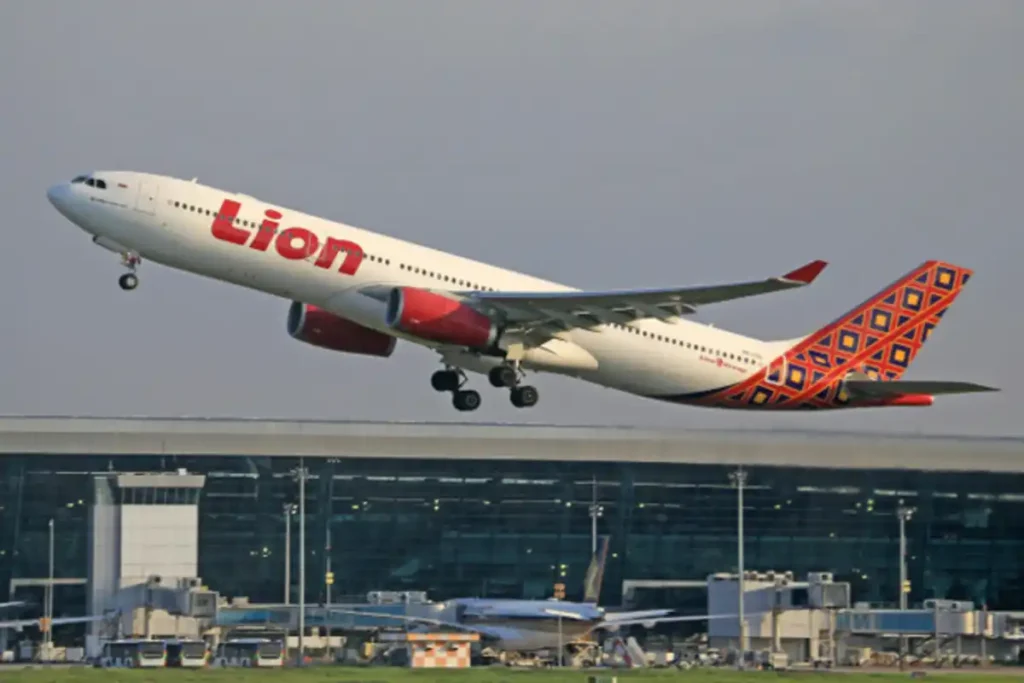

Busy travel seasons place significant pressure on airports, airlines, and support teams responsible for keeping passengers moving safely and efficiently. Periods such as summer vacations, holiday breaks, and long weekends bring an increase in passenger volume that requires careful planning, coordinated operations, and reliable resources. Behind the scenes, aviation professionals manage schedules, equipment, staffing, and routing to maintain stability during these peak periods. Specialized instruments, including pitot static testers, help ensure aircraft accuracy and performance as passenger traffic increases. Understanding the logistics behind busy travel seasons highlights the framework that makes large-scale travel possible, even when airports reach their highest levels of activity.
Forecasting Passenger Demand and Seasonal Trends
Effective travel season planning begins with forecasting. Airlines and airports analyze historical travel patterns, upcoming holiday dates, economic conditions, and regional tourism trends to anticipate how many people will travel. These predictions guide decisions regarding staffing levels, aircraft schedules, and gate assignments. Forecasting helps aviation teams identify potential congestion points and allocate resources to minimize delays. When predictions align with actual traffic levels, the travel experience becomes smoother for both passengers and crews. Forecasting is not only a planning tool but also a safeguard that helps maintain operational stability when travel volumes surge unexpectedly.
Adjusting Airline Scheduling and Crew Readiness
Airlines adapt route networks and flight frequencies based on expected seasonal demand. Additional flights may be added to popular destinations, while certain routes may operate using larger aircraft to accommodate increased passenger numbers. Crew scheduling teams coordinate pilot and flight attendant assignments with strict attention to regulations surrounding rest requirements and training certifications. This ensures that every flight is properly staffed. During peak seasons, reserve crews are strategically placed to support flights if delays or absences occur. By strengthening schedules and maintaining crew readiness, airlines can respond quickly to operational changes and support a consistent travel experience.
Coordinating Ground Operations and Airport Services
Ground operations represent a crucial area of focus during busy travel seasons. Increased aircraft activity requires heightened coordination between ramp crews, fueling teams, baggage handlers, and maintenance staff. Efficient ground operations help reduce turnaround times, which become especially important when flights operate at or near full capacity. Airport service areas must also adapt to increased passenger activity, including check-in counters, baggage drop stations, and security screening areas. Additional staff help manage traffic flow and provide assistance where needed. These coordinated efforts help prevent bottlenecks and keep airport operations running smoothly.
Ensuring Aircraft Performance and Safety
Aircraft are continuously evaluated during peak travel periods. With increased flight frequency, maintenance schedules must be precisely organized to prevent delays and maintain safety. Technicians rely on specialized instruments, such as pitot static testing equipment, to verify essential flight systems that measure altitude, airspeed, and pressure. Tools like these help technicians identify irregularities before they impact flight operations. Routine inspections become even more important during high-traffic seasons, when the margin for delay becomes smaller. Maintenance teams must quickly address issues, complete required checks, and return aircraft to service to keep schedules on track.
Managing Passenger Flow Inside Terminals
Large increases in traveler volume require adjustments throughout the terminal. Airports expand queueing areas, increase signage, and reposition staff to support passenger questions and guide movement. Security screening areas often operate additional lines or extended hours to process travelers efficiently. Once inside the terminal, passengers rely on clear directions to reach gates, restrooms, and amenities without confusion. The placement of seating areas, boarding lanes, and service counters influences how people move within the space. By refining terminal logistics, airports reduce congestion and maintain comfort for travelers navigating busy environments.
Handling Baggage and Cargo with Increased Volume
Baggage systems face significantly higher workloads during busy seasons. Conveyor belts, sorting teams, and loading crews must process larger volumes of luggage without slowing down operations. Airlines rely on precise coordination to ensure that baggage reaches the correct aircraft and maintains proper weight distribution. Cargo operations must also adjust to seasonal demands, especially when commercial shipments increase. These logistical processes require attention to detail, reliable equipment, and ongoing communication between multiple departments. Consistency in baggage handling contributes significantly to on-time departures and overall passenger satisfaction.
Maintaining Communication Across All Departments
Clear communication is essential for managing the logistics of heavy travel periods. Airlines, airport authorities, ground crews, and air traffic control must share updates regarding weather conditions, delays, staffing, and equipment status. When information flows smoothly, teams can respond quickly to unexpected challenges and maintain operational stability. Communication ensures that each part of the travel system functions cohesively, even during periods of high congestion or sudden schedule changes.
Conclusion
Busy travel seasons require airports and airlines to collaborate across numerous operational areas. Through forecasting, scheduling, maintenance, passenger flow management, and reliable communication, the aviation industry maintains order during its busiest periods. Specialized tools and well-trained teams ensure that flights operate safely and predictably. By understanding the logistics involved, travelers gain a greater appreciation for the systems that support their journeys. With detailed planning and strong coordination, the aviation industry continues to navigate high traffic seasons with efficiency and confidence.