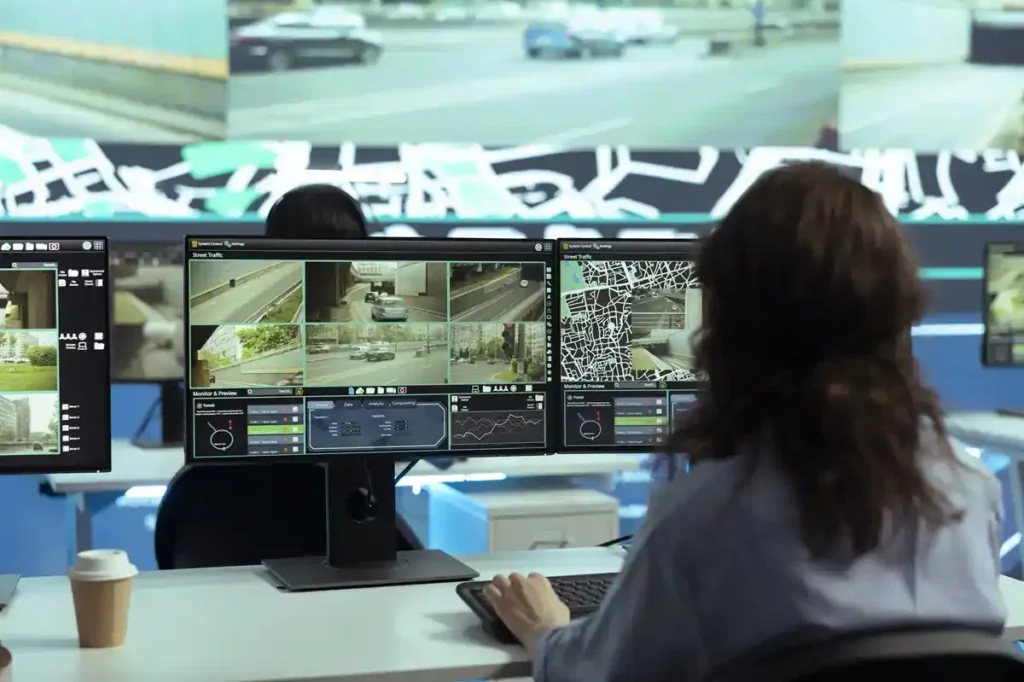

Key Factors in Effective Camera Positioning
Security cameras are widely used to monitor properties, but their effectiveness depends heavily on where and how they are positioned. A high-quality camera system can still fall short if placement does not account for angles, lighting, and coverage gaps. Proper positioning ensures that critical areas are visible, movements are clearly captured, and blind spots are minimized. Whether installed in residential or commercial settings, camera placement directly influences how well a system performs. Understanding how placement decisions affect coverage helps property owners design systems that provide consistent monitoring and reliable visibility, ensuring that security measures function as intended over time.
Field of View Determines Coverage Effectiveness
One of the most important aspects of camera placement is the field of view, which defines how much area a camera can capture. A wide field of view can cover large spaces, but it may reduce detail if objects are too far away. On the other hand, a narrow field of view provides more detail but limits the area being monitored. Finding the right balance is essential for ensuring that cameras capture meaningful footage. Placement should consider entry points, walkways, and areas where activity is most likely to occur. By positioning cameras to maximize their field of view, property owners can ensure that key areas are consistently monitored without leaving significant gaps in coverage.
Strategic Angles Reduce Blind Spots
Blind spots are one of the most common issues in security systems, often resulting from poor camera placement. Cameras that are installed without considering angles may leave certain areas unmonitored, creating vulnerabilities. Adjusting the angle of each camera helps eliminate these gaps and ensures that overlapping coverage is achieved where necessary. In many cases, careful planning during security camera system installation can significantly reduce blind spots and improve overall visibility. By positioning cameras at appropriate heights and angles, it becomes possible to capture clear footage while minimizing areas that are out of view. This strategic approach enhances the reliability of the entire system.
Lighting Conditions Affect Image Clarity
Lighting plays a crucial role in how well security cameras perform. Poor lighting can reduce image quality, making it difficult to identify individuals or activities. Cameras placed in areas with strong backlighting, such as near windows or bright outdoor lights, may struggle to capture clear images. Similarly, low-light environments require cameras to be positioned in a way that maximizes available light or uses additional lighting solutions. Understanding how light interacts with camera placement helps ensure that footage remains clear and usable. By considering lighting conditions during installation, property owners can avoid issues that compromise the effectiveness of their security system.
Height Placement Influences Detail and Visibility
The height at which cameras are installed has a direct impact on both visibility and detail. Cameras placed too high may capture a broad view but lack the detail needed for identification. Conversely, cameras placed too low may be more vulnerable to tampering or obstruction. Finding the appropriate height ensures that cameras can capture clear images while remaining secure. Height placement also affects the angle of view, which influences how much of the area is visible. By carefully selecting installation height, property owners can achieve a balance between wide coverage and detailed observation, enhancing the overall effectiveness of the system.
Entry Points Require Focused Monitoring
Entry points such as doors, gates, and driveways are critical areas that require focused camera coverage. These locations often serve as the primary points of access, making them essential for monitoring. Cameras positioned at entry points should be angled to capture faces and movements clearly, ensuring that any activity is recorded in detail. Proper placement at these locations helps create a clear record of who enters and exits the property. By prioritizing entry points, property owners can enhance security and ensure that key areas are consistently monitored without interruption.
Coverage Overlap Strengthens System Reliability
Overlapping camera coverage is an important strategy for improving system reliability. When multiple cameras cover the same area from different angles, it reduces the likelihood of blind spots and provides additional perspectives. This approach ensures that if one camera fails or is obstructed, another can still capture the area. Overlapping coverage also improves the accuracy of recorded footage, as different angles can provide more context. By designing systems with intentional overlap, property owners can create a more resilient security setup that maintains consistent monitoring across all areas.
Environmental Factors Influence Placement Decisions
Environmental conditions such as weather, obstacles, and structural features can affect camera performance. Outdoor cameras must be positioned to withstand elements like rain, wind, and temperature changes while maintaining clear visibility. Obstacles such as trees, walls, or moving objects can block the camera’s view if not considered during placement. Indoor environments also present challenges, including reflections and limited space. By evaluating these factors before installation, property owners can ensure that cameras are positioned in a way that minimizes interference and maintains consistent performance.
Effective Placement Maximizes Security Outcomes
Camera placement is a critical factor in determining how well a security system performs. By considering elements such as field of view, angles, lighting, and environmental conditions, property owners can create a system that provides comprehensive coverage. Proper placement reduces blind spots, improves image clarity, and ensures that key areas are consistently monitored. A well-planned system not only enhances security but also provides peace of mind, knowing that the property is effectively protected. Understanding the impact of placement allows for better decision-making and ensures that security measures deliver reliable and meaningful results over time.