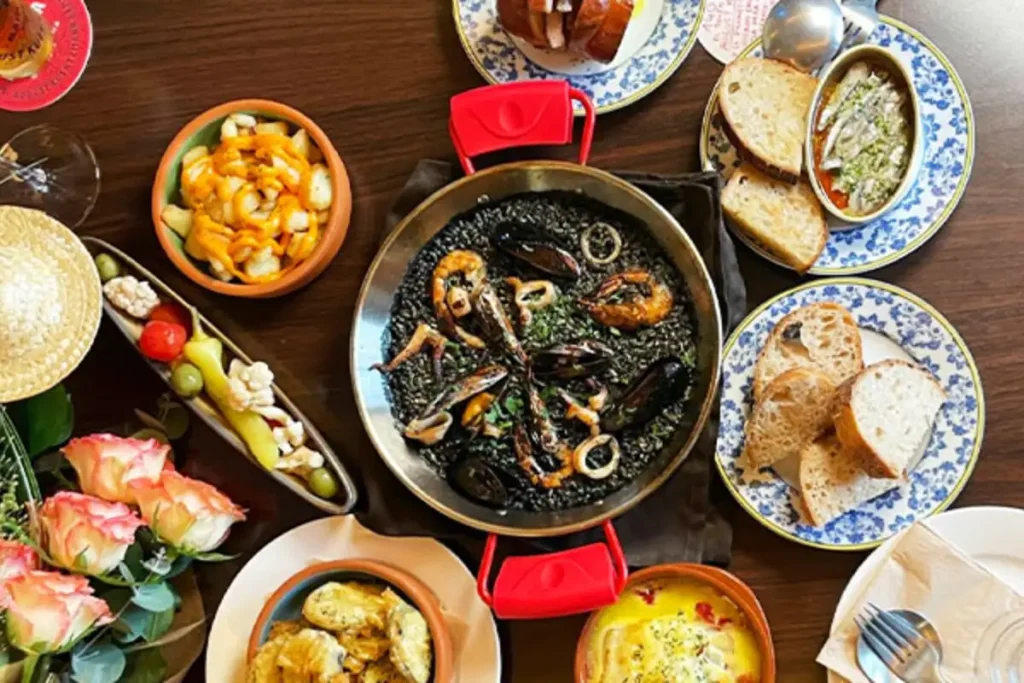

When people think of Jeonju, they often imagine traditional hanok houses, vibrant street food, and the city’s famous bibimbap. However, beyond its deeply rooted Korean culinary traditions, Jeonju has quietly embraced an unexpected yet charming food movement—전주的歐式鄉村料理.
This phrase, which translates to “European country cuisine in Jeonju,” represents more than just Western food served in Korea. It symbolizes a fusion of rustic European warmth with Jeonju’s cultural depth. In recent years, this culinary niche has grown steadily, attracting both locals and tourists seeking something comforting yet different.
What Does 전주的歐式鄉村料理 Really Mean?
The term 전주的歐式鄉村料理 blends Korean, Chinese, and European cultural references into one idea: rustic European countryside cooking adapted to Jeonju’s atmosphere.
European country cuisine focuses on:
-
Slow-cooked meats
-
Fresh seasonal vegetables
-
Handmade pasta and bread
-
Cream-based and herb-infused sauces
-
Simple yet hearty presentation
Unlike fine dining, this style celebrates authenticity and comfort. It originated in rural homes across countries like France, Italy, and Spain, where meals were crafted with patience and local ingredients.
In Jeonju, chefs reinterpret these traditions using Korean produce while preserving the rustic essence.
Why Has 전주的歐式鄉村料理 Become Popular?
1. Jeonju’s Strong Culinary Identity
As a UNESCO City of Gastronomy, Jeonju has a population that values high-quality food and culinary heritage. This makes it receptive to other food cultures that share similar values of craftsmanship and authenticity.
European country cuisine aligns naturally with Jeonju’s food philosophy: slow preparation, balanced flavors, and respect for ingredients.
2. Young Chefs Bringing Global Experience Home
Many Korean chefs study abroad before returning to regional cities. Training in European kitchens exposes them to countryside cooking techniques—braising, baking, fermenting, and sauce-making. When they return to Jeonju, they incorporate these methods into their own restaurants.
The result is not imitation, but adaptation.
3. Tourism and Culinary Exploration
Visitors often spend days enjoying Korean dishes. Eventually, some look for variety. 전주的歐式鄉村料理 provides that variety without sacrificing the city’s cozy, traditional atmosphere.
Signature Dishes of 전주的歐式鄉村料理
Several dishes commonly appear on menus across Jeonju’s European-style restaurants.
Red Wine Braised Beef
Inspired by French countryside cooking, beef is simmered for hours in red wine with carrots, onions, and herbs. The meat becomes tender, and the sauce develops rich depth.
Creamy Herb Chicken
A comforting dish made with garlic, cream, mushrooms, and fresh herbs. It is often served with roasted potatoes or rustic bread.
Handmade Italian Pasta
Fresh pasta tossed with tomato basil sauce, cream mushroom sauce, or pesto. Some chefs incorporate local vegetables to create seasonal versions.
Oven-Baked Cheese Dishes
Gratins and baked casseroles provide warmth during colder months, making them especially popular in autumn and winter.
Rustic Sharing Platters
Boards featuring bread, cheese, cured meats, olives, and spreads encourage communal dining—something that resonates well with Korean food culture.
The Unique Setting: Hanok Meets European Farmhouse
One of the most fascinating aspects of 전주的歐式鄉村料理 is its setting. Many of these restaurants operate inside traditional hanok homes. Wooden beams and tiled roofs contrast beautifully with European wooden tables and iron lighting fixtures.
This architectural blend enhances the experience. Dining in a traditional Korean structure while enjoying a dish inspired by rural Tuscany or Provence creates a memorable cultural contrast.
Differences Between Korean Cuisine and European Country Cuisine
Although both emphasize tradition and comfort, their flavor profiles differ.
| Korean Cuisine | European Country Cuisine |
|---|---|
| Fermented sauces like gochujang | Cream, butter, olive oil |
| Rice as staple | Bread and pasta as staple |
| Multiple side dishes | Focus on a central main dish |
| Bold spice and heat | Herbaceous and creamy notes |
Interestingly, some Jeonju chefs experiment with fusion elements. For example:
-
Adding Korean chili paste to European-style stews
-
Using locally sourced Korean beef in French recipes
-
Incorporating seasonal Korean vegetables into Italian pasta
This creativity keeps 전주的歐式鄉村料理 dynamic and evolving.
Pricing and Dining Experience
European country restaurants in Jeonju typically offer mid-range pricing:
-
Approximately ₩15,000–₩30,000 per person
-
Cozy interiors with warm lighting
-
Casual yet thoughtful presentation
-
Ideal for couples, small gatherings, or special evenings
Unlike formal Western fine dining in large metropolitan cities, Jeonju’s approach feels intimate and personal.
Seasonal Appeal and Future Trends
During colder months, hearty stews and baked dishes become particularly popular. In warmer seasons, menus shift toward lighter pasta dishes and fresh herb-based salads.
Looking ahead, 전주的歐式鄉村料理 is likely to evolve in several ways:
-
Greater use of farm-to-table concepts
-
Organic ingredient sourcing
-
Vegetarian and vegan adaptations
-
More reservation-only boutique dining spaces
Rather than simply reproducing European food, chefs are crafting a localized interpretation that reflects Jeonju’s character.
Conclusion
Jeonju will always be known for its traditional Korean cuisine. Yet the rise of 전주的歐式鄉村料理 proves that even cities deeply rooted in history can embrace global flavors.
In Jeonju, rustic European cooking has found a welcoming home. The combination of hanok architecture, local ingredients, and countryside European techniques creates a dining experience that feels both international and intimate.
For anyone visiting Jeonju, exploring 전주的歐式鄉村料理 offers a chance to see the city from a new culinary perspective—one where tradition and innovation share the same table.