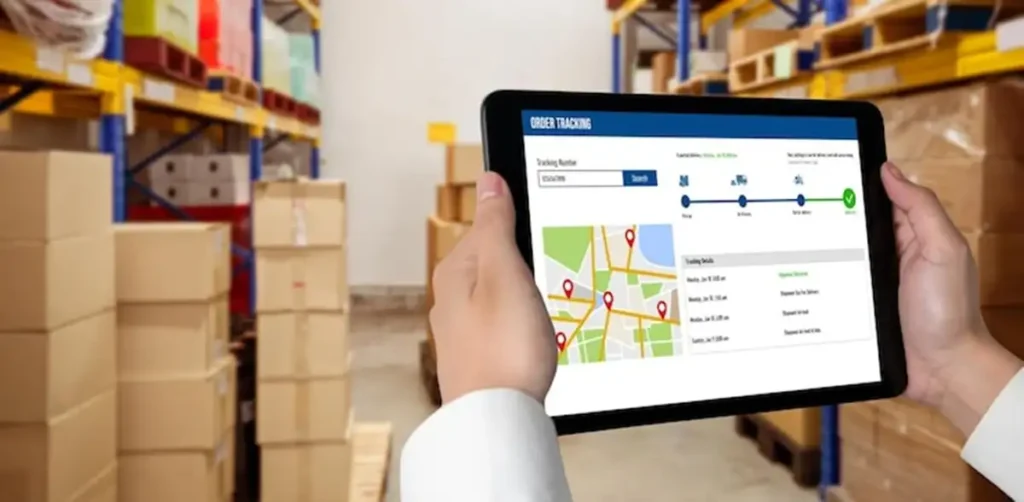

A long-distance move can unravel quickly when cartons, furniture, and sealed containers leave one address without a reliable way to verify their whereabouts, how they were packed, and when they should arrive. Inventory tracking systems reduce that uncertainty by turning a chaotic loading day into a documented process with timestamps, item counts, condition notes, and route-linked records. For moving companies, these systems support accountability across crews, warehouses, and delivery teams. For customers, they create a clearer picture of what is in transit. The real value is not just finding missing items, but preventing confusion before trucks are even fully loaded.
Moving Visibility Starts Before Loading
- Digital Inventories Create A Shared Record
Modern long-distance moving projects rely on digital inventories because paper sheets alone are too easy to misplace or separate from the shipment. Crews now often begin by assigning item numbers, room tags, carton counts, and condition notes through mobile apps or tablet-based checklists. Each scanned entry can be tied to a shipment file that includes pickup location, destination, handling instructions, and loading sequence. That structure matters when a move spans several days, changes trucks, or includes short-term storage before final delivery. Digital records also help distinguish between fragile loose items, wrapped furniture, boxed household goods, and high-value belongings that need tighter chain-of-custody documentation. Instead of relying on memory at every stop, movers can compare what was packed, what was loaded, what entered storage, and what was delivered. The system becomes a working timeline of the move rather than a static list. When customers ask about a missing lamp base, an unopened wardrobe carton, or a delayed sectional piece, the crew can refer to scan logs and inventory notes rather than guessing from handwritten abbreviations made during a rushed loading window.
- Barcodes And Labels Reduce Item Confusion
Barcoded labels are widely used in long-distance moving because they allow individual cartons and larger household items to be tracked with more consistency at each handoff point. A barcode can link to a record containing item description, room origin, carton sequence, special handling notes, and photos taken before loading. That makes a major difference during large household relocations where multiple bedrooms may contain similar boxes labeled only as “linens,” “decor,” or “kitchen.” Once those cartons are scanned at pickup, loaded into a truck, transferred to a warehouse, and scanned again at delivery, the moving company has a clearer record of movement across the project. A company that invests in disciplined scanning procedures, such as movers in Atlanta, GA, can reduce mix-ups that often occur when inventory depends too heavily on handwritten shorthand and verbal confirmation. Barcode systems also help with exception reporting. If one item does not scan into the outbound manifest or appears in storage without matching the delivery confirmation, the discrepancy will be detected sooner. That allows dispatchers and warehouse teams to address errors while the shipment is still active, rather than reconstructing the trail days later through incomplete notes and customer recollections.
- Photo Verification Supports Condition Tracking
Inventory systems become far more useful when they include photo verification alongside item counts and label numbers. Long-distance moves expose belongings to more touchpoints than local jobs, which means the condition of furniture and cartons at pickup can become just as important as their location. Photographs taken during the inventory stage can document pre-existing scratches, dents, fabric wear, glass condition, or the way a custom item was wrapped before transport. These image records give both movers and customers a reference point if questions arise after unloading. They also help crews remember unusual items that do not fit typical box-and-furniture categories, such as gym equipment, framed art, modular desks, antique cabinets, or disassembled nursery sets. When the photo record is attached to the same inventory profile as scan history and handling instructions, the tracking system becomes more than a location tool. It becomes a documentation tool that supports clearer communication across operations staff, drivers, warehouse teams, and claims personnel. This is especially important when shipments are consolidated, stored temporarily, or redelivered in phases. A visual record helps teams confirm that the right item was loaded, wrapped, and placed in the right destination room without relying only on generic text descriptions.
Better Records Improve Delivery Confidence
Inventory tracking systems bring discipline to long-distance moving by connecting labels, scans, photos, storage logs, and delivery confirmations into one working record. That structure helps moving companies manage projects with fewer blind spots and gives customers more confidence that their belongings are being handled with intention rather than approximation. The advantage is practical: fewer disputes, faster item verification, clearer warehouse retrieval, and more accurate delivery follow-through. As moves become more complex and customers expect greater visibility, tracking systems are no longer just an internal operations tool. They shape how organized, accountable, and dependable the entire moving experience feels from departure to final placement.