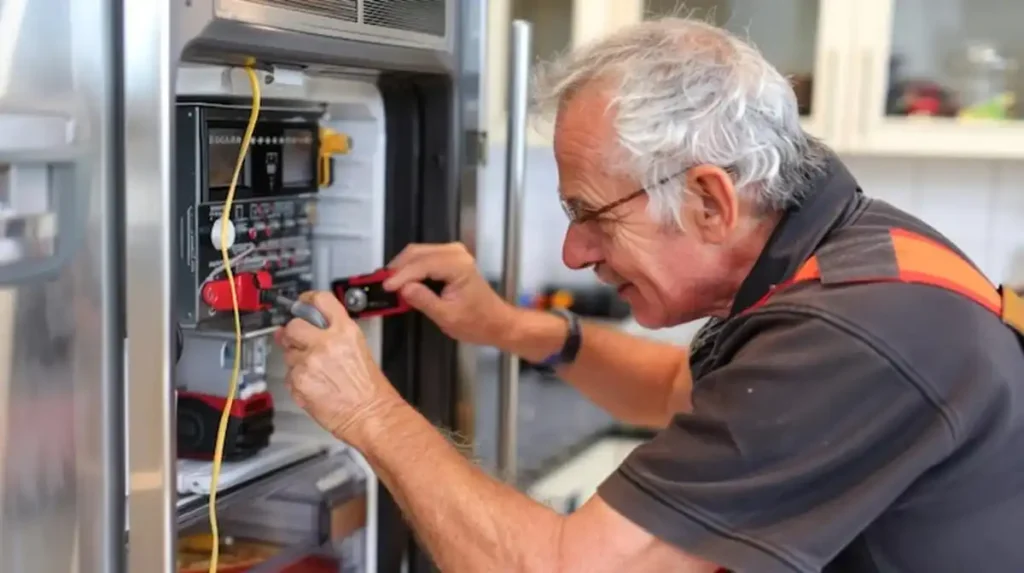

Intermittent breaker trips are frustrating because they rarely happen when an electrician is standing in front of the panel. In older buildings, the problem is often blamed on a single appliance. Still, the real cause may be a layered mix of aging components, loose terminations, modern plug loads, and circuits that were never designed for today’s demand. A breaker that trips once a week can still represent a safety concern, especially when heat is building at a connection point long before the handle finally flips. The goal of diagnosis is to separate normal overload protection from warning signs of arcing, insulation breakdown, or a breaker that no longer trips predictably.
How the Troubleshooting Gets Proven
- Trip Patterns That Reveal Overload Versus Fault
The first diagnostic step is identifying the trip type, because each one points to a different risk. A trip that happens after 20 to 60 minutes of heavy use often indicates overload or heat buildup at a weak connection. A trip that happens instantly when something turns on is more consistent with a short, a motor start event, or a failing device. Older panels add a twist because labeling can be wrong, breakers can be swapped over decades, and shared neutrals may exist from past alterations. Electricians confirm whether the breaker is standard thermal-magnetic or includes ground-fault or arc-fault protection, since nuisance trips can occur when newer protective breakers are installed on wiring methods that create electrical noise. The location matters too. If the same breaker trips during high outdoor heat, the panel may be running hotter overall, which lowers the margin before a thermal trip. If the same breaker trips mainly at night, it may be tied to space heaters, EV charging, or laundry loads that stack quietly.
- Load Testing That Matches Real Use
Intermittent trips often come from cumulative load rather than a single obvious culprit. Electricians diagnose by measuring current on the hot conductor under the same conditions occupants experience, not under a light test load. Clamp meters indicate whether a circuit is operating near the breaker rating for extended periods, which is common in older homes where kitchens, bathrooms, or bedrooms share circuits. They also look for cycling loads like refrigerators, freezers, sump pumps, and HVAC blowers that add short bursts of current on top of an already busy circuit. When the building has a history of DIY additions, a circuit may be feeding multiple rooms through hidden junctions, making the load seem mysterious. In many cases, the cleanest path is to run a controlled load, watch current rise, and see whether the trip aligns with a predictable threshold or occurs at unexpectedly low current, which suggests a loose connection, a tired breaker, or overheating in the panel.
- Heat, Terminations, and the Hidden Failure Points
Older panels fail quietly at the places you cannot see from the front cover. Loose lugs, oxidized bus stabs, and worn breaker clips create resistance, and resistance creates heat. That heat can trip a breaker even when the current is not technically excessive, and it can do so inconsistently depending on ambient temperature and how long the circuit has been energized. This is where careful inspection matters, because the risk is not just nuisance tripping. Heat can damage insulation, degrade the bus, and create arcing that escalates quickly. Electricians typically de-energize the panel, torque-check terminations to manufacturer specifications, and inspect for discoloration, pitting, or a burnt odor. If the panel shows signs of corrosion or moisture exposure, intermittent trips can coincide with changes in humidity that alter conductivity and contact quality. When occupants report repeated trips and flickering lights, many call electrical repair services near Vancouver, WA, because the combination often points to a connection issue that requires immediate evaluation, not a simple breaker swap.
- Neutral and Ground Issues That Create Confusing Symptoms
In older wiring, shared neutrals and bootleg grounds can make breaker behavior confusing. Multi-wire branch circuits can overload the neutral if they are not connected to opposite phases, and older modifications sometimes disrupt that balance. A loose neutral can also cause voltage fluctuations that stress appliances and increase current draw on certain devices, nudging a breaker toward a trip without a clear pattern. In panels that have been expanded over time, neutrals may be doubled under lugs not rated for two conductors, creating intermittent heating and poor contact. Ground-fault and arc-fault devices can trip when neutrals are improperly tied together downstream, or when insulation damage produces irregular arcing signatures. Diagnosis here is methodical: verify neutral integrity, confirm proper separation of neutral and ground where required, and check for downstream connections that unintentionally merge circuits. These issues often masquerade as appliance problems until measurements show unstable voltage or unexpected current returning on paths it should not use.
Repair Decisions That Reduce Repeat Trips
The most valuable outcome is a repair plan that prevents recurrence. That might mean redistributing loads by adding dedicated circuits for heavy-use appliances, correcting shared neutral wiring, replacing damaged devices, or addressing panel hardware that can no longer maintain solid connections. In many older properties, the long-term decision is whether the panel has enough capacity and integrity for modern use. If multiple breakers show heat stress, if the bus has pitting, or if the service size is undersized for current loads, a panel upgrade becomes a risk-management decision as much as a convenience. Intermittent trips are often the early warning that the electrical system is operating too close to its limits. Addressing the root cause restores reliability, but more importantly, it reduces the chance that the next “random trip” is actually the prelude to a failure with far higher stakes.