
Intermittent compressor shutdowns can frustrate homeowners because the air conditioner may appear normal one moment and stop cooling properly the next. The fan may still run, the thermostat may still call for cooling, and the system may even restart later without any obvious repair. That pattern makes the problem harder to trace than a complete breakdown. In many homes, the real issue develops under load, heat, or electrical stress rather than during a quick inspection. Diagnosing these shutdowns requires attention to operating conditions, timing, and the relationship between safety controls, refrigerant movement, power delivery, and compressor temperature across repeated cooling cycles.
Finding the Pattern
- Heat Load Often Exposes Hidden Faults
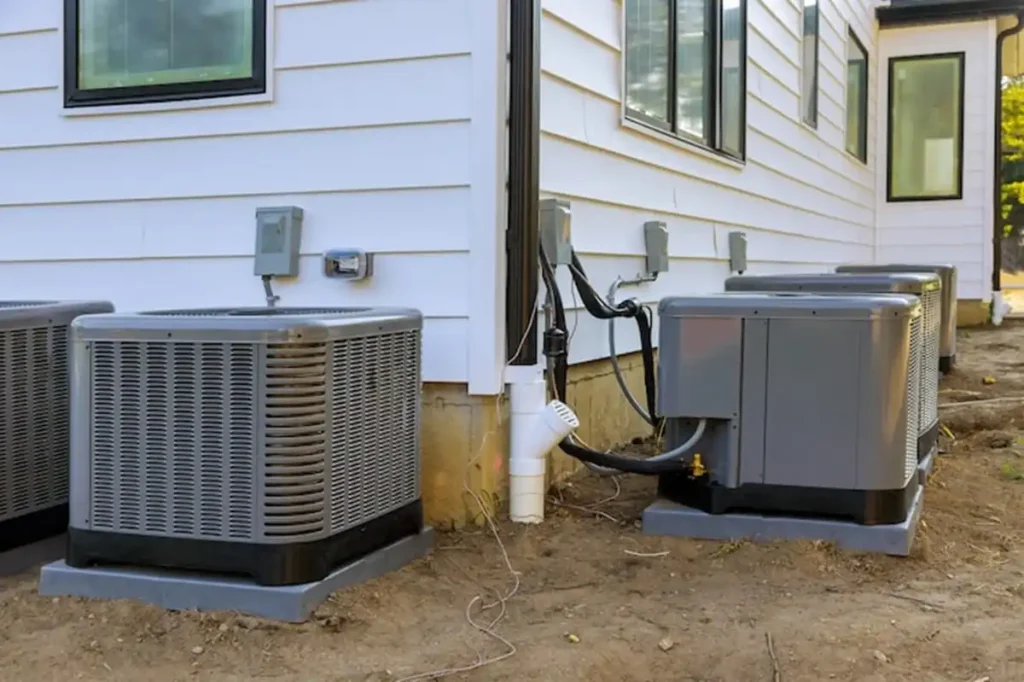
One of the first steps in diagnosing intermittent compressor shutdowns is determining when the problem occurs and what conditions are present at that moment. Some systems shut down during the hottest part of the afternoon, while others fail only after running for an extended period. That timing matters because a compressor that starts normally but stops later may be reacting to thermal overload, rising head pressure, poor condenser airflow, or internal electrical stress that develops only after heat builds up. A technician usually begins by checking whether the outdoor coil is dirty, whether the condenser fan is moving air properly, and whether the unit has enough clearance to reject heat effectively. These checks help reveal whether the compressor is being forced to operate in an overheated environment.
Ambient conditions around the equipment can also shape the diagnosis. A system installed in direct sun, near obstructions, or beside surfaces that trap heat may experience operating temperatures that push components harder as the day progresses. In some service calls, companies such as Mountain Heating & Cooling may trace repeated compressor shutdowns to a combination of heat buildup and restricted airflow rather than a single failed part. That is why technicians look for patterns instead of assuming the compressor itself has failed. If the system cools properly for a while before shutting down, the cause is often a condition that worsens gradually while the unit remains in operation.
- Electrical Problems Can Mimic Mechanical Failure
Electrical issues are another major cause of intermittent shutdowns, and they can easily appear to be compressor failure from the outside. A weak capacitor may allow the compressor to start inconsistently or struggle under load, especially during hotter weather when startup demand rises. Loose wire connections, pitted contactor points, voltage drop, or worn terminals can interrupt current flow just enough to stop the compressor without rendering the system completely dead. In some homes, the thermostat keeps calling for cooling, and the indoor blower keeps running, which can be confusing because part of the system still appears active. That contrast often points technicians toward the outdoor electrical circuit rather than the indoor controls alone.
Diagnosis at this stage requires live testing under actual operating conditions. A compressor may test acceptably when the system is cool, only to lose performance after components heat up and resistance changes. Technicians often check incoming voltage, measure capacitor performance, inspect the contactor under load, and look for signs of arcing, discoloration, or intermittent dropouts. They may also test compressor amperage to see whether it rises abnormally before shutdown. This matters because an electrical weakness can trigger internal overload protection inside the compressor, causing it to stop and then restart later after cooling down. When that happens, the system may appear to behave randomly, even though the shutdown results from a repeatable electrical or thermal sequence.
- Refrigerant and Pressure Conditions Affect Operation
Compressor shutdowns can also be tied to refrigerant-side problems that disturb system pressures. If airflow across the condenser or evaporator is poor, pressure relationships can shift enough to activate protective controls or place the compressor under abnormal strain. Low refrigerant charge, overcharge, metering issues, restrictions in the refrigerant circuit, or a partially blocked coil can all create conditions that affect compressor stability. On some systems, high-pressure or low-pressure switches are designed to interrupt operation when readings move outside the safe range. On others, the compressor may rely more heavily on internal overload protection if stress continues building without an external switch opening first.
This is why technicians do not treat refrigerant readings as isolated numbers. They compare pressures with line temperatures, airflow conditions, superheat or subcooling behavior, and the physical condition of the coils. A system with an overworked condenser fan motor, for example, may show rising pressure that only becomes severe after several minutes of runtime. A system with poor evaporator airflow may create pressure issues on the indoor side that eventually affect compressor operation on the outdoor side. Intermittent shutdowns often require patience because the equipment must be observed long enough for the fault to appear. Instead of looking for a dramatic failure right away, the technician watches how pressures change over time, and whether those changes align with the moment the compressor drops out.
Careful Testing Prevents Repeat Failures
Diagnosing intermittent compressor shutdowns takes more than a glance at whether the unit is running when the technician arrives. These problems often emerge only after heat, pressure, or electrical load builds up over time, meaning the system has to be observed under conditions close to those that trigger the failure. Dirty coils, weak capacitors, loose electrical connections, unstable refrigerant levels, and control interruptions can all produce similar symptoms but require very different repairs. When the diagnosis is done carefully, the shutdown pattern starts to make sense. The goal is not only to restart the compressor, but to identify the exact cause so the system can cool consistently again.