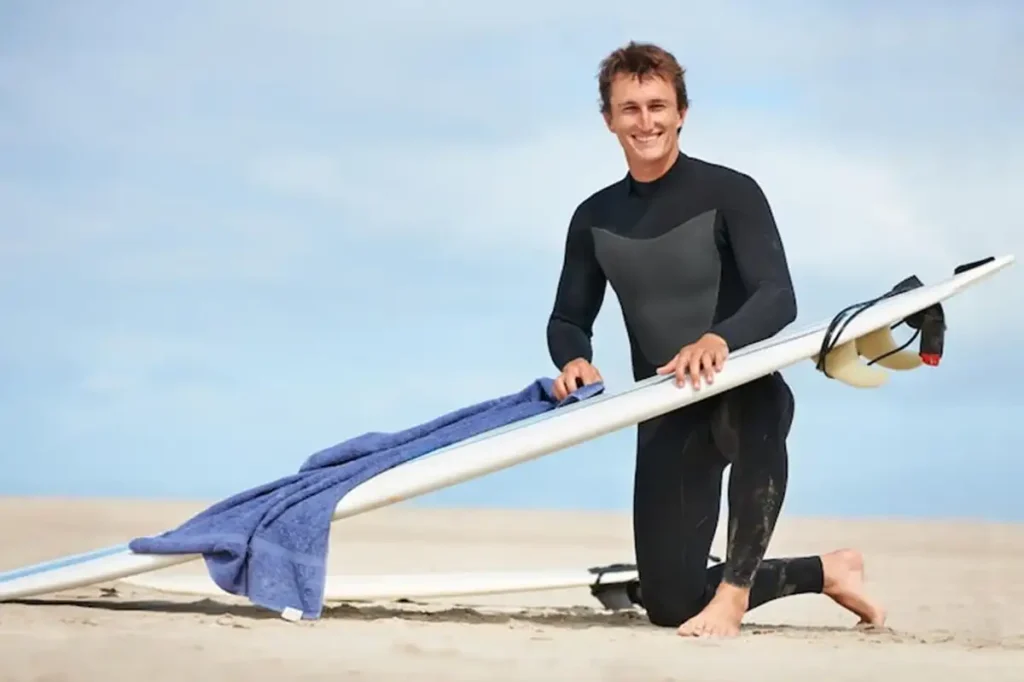

Cold-water comfort depends on more than neoprene thickness. A wetsuit can carry high-quality foam and still feel inefficient if its seam construction allows water to circulate too easily through the panels. Seams determine how much flushing occurs, how well the suit seals during movement, and how effectively body heat remains trapped near the skin. They also influence flexibility, durability, and the wetsuit’s consistency of performance after repeated use. For surfers, divers, and paddlers, seam design is often the hidden factor behind whether a suit stays warm through a long session or starts losing heat after just a short period in the water.
Seam Performance Matters
- Flatlock Seams and Water Exchange
Flatlock seams are common in warmer-water wetsuits because they are flexible, comfortable, and relatively simple to produce. In this construction method, the neoprene panels overlap edge-to-edge and are stitched through to create a flatter join against the body. That can reduce irritation and make the suit feel less restrictive during paddling or extended movement. The thermal drawback, however, is that flatlock seams are not fully sealed. Tiny stitch perforations and the nature of the panel connection can allow water to pass through, particularly when the surfer ducks under breaking waves or spends long periods immersed. Once cold water enters and circulates, the suit has to rely more heavily on body heat to warm that thin layer again and again. This repeated exchange can reduce overall warmth even if the neoprene itself is reasonably thick. In moderate climates, flatlock construction can still perform well, especially when paired with good fit and shorter sessions. Still, in colder environments, it often leaves the wearer feeling chilled sooner than sealed seam alternatives.
- Glued and Blindstitched Heat Retention
Glued and blindstitched seams are widely valued for their ability to reduce water entry while maintaining the flexibility needed for active use. In this method, panel edges are first bonded with adhesive and then stitched partway through the neoprene rather than completely through it. Because the needle does not fully puncture the material, fewer channels are created for water to travel through. This makes a major difference in thermal retention, especially during colder sessions, where even a small amount of flushing can quickly reduce comfort. The suit holds a thin, warmed layer of water more consistently, which helps the body avoid repeated reheating cycles. Many surfers compare gear choices carefully, whether they are choosing seam construction or using a surfboard volume calculator online before buying a new board, because subtle design features often shape performance more than expected. A glued-and-blindstitched wetsuit usually feels warmer than a flatlock model of similar thickness, not because it traps more air, but because it limits unwanted water movement and keeps heat loss under tighter control.
- Taped Interiors and Reinforced Seals
Internal seam taping adds another level of protection by covering seams with flexible tape that strengthens them and blocks more water from entering through stitched areas. This construction is common in suits intended for colder water, where preserving warmth over longer sessions matters far more than shaving small amounts of weight or cost. Taping reduces leakage, supports seam longevity, and helps prevent stitched zones from stretching out prematurely. As the wetsuit ages, these reinforcements can make the difference between a suit that remains dependable and one that gradually becomes colder because its seams loosen under repeated stress. Thermal retention is not only about stopping dramatic leaks; it is also about reducing constant micro-flushing at the shoulders, underarms, knees, and torso, where motion is frequent. When seam taping is paired with liquid-sealed exteriors or welded-seam coatings, the result is often a suit that feels more temperature-stable throughout the entire session. The wearer notices fewer cold surges after wipeouts and less cooling during windy transitions above the surface.
- Fit, Flex, and Long Session Warmth
Even advanced seam construction cannot deliver strong thermal retention if the wetsuit fits poorly. A loose suit allows water to pool and circulate, which cancels much of the benefit provided by glued panels, blindstitching, or taped interiors. At the same time, seam design affects how closely the wetsuit can conform to the body during movement. Bulky or stiff seams may resist stretching across the shoulders and lower back, creating gaps that allow water to pass through. More refined seam layouts support both warmth and mobility by letting the neoprene maintain contact with the body as the surfer paddles, turns, and ducks under waves. This close contact matters because retained warmth depends on stability, not just on paper insulation. A well-built seam system supports the suit’s overall fit by allowing it to flex without opening pathways for water exchange. Over the course of a long cold-water session, that balance between structure and comfort becomes critical. Warmth is preserved not by a single feature, but by how the seams keep the entire suit sealed, responsive, and consistent in real use.
Why Seam Design Changes Comfort
Wetsuit seam construction directly affects thermal retention because seams control one of the most important aspects of cold-water protection: water movement. Flatlock seams offer comfort and flexibility but allow more exchange, while glued and blindstitched seams create a tighter barrier that helps preserve warmth. Taped and sealed seam systems build on that protection by reinforcing vulnerable joins and reducing ongoing heat loss during active use. The result is not just a warmer suit, but a more stable one that performs consistently across longer sessions. When temperatures drop, seam construction becomes one of the clearest indicators of how well a wetsuit will actually hold heat.