
Systems?
Heating and cooling systems rely on proper airflow to function effectively, and one of the most important factors influencing that airflow is static pressure. Static pressure is the resistance that the air encounters as it moves through ducts, filters, coils, and vents within an HVAC system. When this pressure is too high or too low, it can lead to reduced performance, discomfort, and increased energy use. Many property owners overlook this concept, focusing only on temperature control rather than airflow dynamics. Understanding how static pressure works provides a clearer picture of why systems behave the way they do and how adjustments can improve overall operation.
Airflow Resistance Explained Simply
- What Static Pressure Means in HVAC Systems
Static pressure is the force that resists airflow within an HVAC system. As air travels through ductwork, it encounters obstacles such as bends, narrow passages, dirty filters, and closed vents. Each of these elements adds resistance, increasing the pressure the system must overcome to maintain proper airflow. This pressure is measured in inches of water column and helps determine how hard the blower must work. When resistance builds up, airflow decreases, which can impact both heating and cooling performance. Understanding this concept helps explain why even a functioning system may fail to deliver consistent comfort throughout a building.
- How Static Pressure Affects System Performance
When static pressure levels rise beyond acceptable limits, the system begins to struggle in maintaining airflow. The blower motor may have to work harder, leading to increased wear and reduced efficiency over time. High pressure can also cause uneven air distribution, leaving some rooms too warm while others remain too cool. In certain situations, airflow restrictions may create noise within the duct system, signaling underlying issues. Homeowners searching for solutions, including those looking into Dothan, AL, heating and cooling, often discover that airflow problems are not always related to equipment failure but to pressure imbalances that disrupt normal operation. Maintaining balanced pressure allows the system to function more smoothly and consistently.
- Sources of High Static Pressure in Systems
Several factors contribute to elevated static pressure within HVAC systems. One common cause is clogged or improperly sized air filters, which significantly restrict airflow. Duct design also plays a major role, as long runs, sharp turns, or undersized ducts can create additional resistance. Closed or blocked vents further limit airflow, increasing pressure within the system. In some cases, poorly installed components or mismatched equipment can lead to ongoing pressure problems. Identifying these sources is essential in resolving airflow issues and restoring system balance. Without addressing the root causes, performance problems are likely to persist despite other adjustments.
- Impact on Energy Use and Equipment Lifespan
Static pressure directly influences how much energy an HVAC system consumes. When resistance is high, the system requires more power to move air through the ducts. This increased workload results in higher utility costs and can shorten the lifespan of key components such as the blower motor. Over time, excessive strain may lead to breakdowns or reduced system reliability. Properly managing static pressure helps maintain efficient operation, allowing the system to run within its intended limits. By ensuring that airflow remains unobstructed, property owners can reduce energy waste and extend the durability of their heating and cooling equipment.
- Relationship Between Duct Design and Pressure
Ductwork design has a significant impact on static pressure levels within a system. Well-designed ducts allow air to move freely with minimal resistance, while poorly planned layouts create bottlenecks that increase pressure. Factors such as duct size, length, and configuration all influence how air flows through the system. Smooth transitions and adequate spacing help reduce resistance, while tight bends and narrow passages increase pressure. Understanding this relationship highlights the importance of proper design during installation or renovation. Adjustments to ductwork can often resolve pressure-related issues and improve overall system performance without requiring major equipment changes.
Maintaining Proper Static Pressure Levels
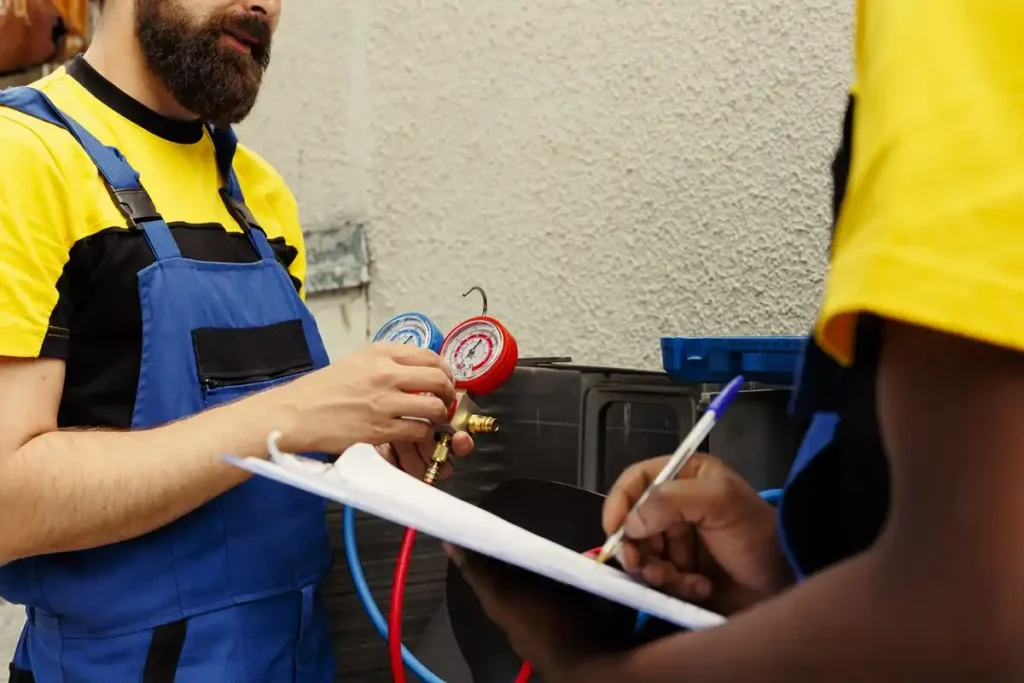
Keeping static pressure within acceptable ranges requires regular attention and maintenance. Simple actions such as replacing air filters, ensuring vents remain open, and inspecting ducts for obstructions can make a noticeable difference. Monitoring system performance and addressing unusual noise or uneven airflow early can prevent larger issues from developing. Technicians may also use specialized tools to measure pressure levels and identify problem areas within the system. Consistent maintenance helps preserve airflow balance and ensures that the system operates efficiently. By focusing on pressure management, property owners can achieve more reliable heating and cooling throughout the year.
Static pressure plays a crucial role in determining how effectively an HVAC system delivers air throughout a building. By influencing airflow, energy consumption, and equipment strain, it directly impacts comfort and system longevity. Understanding the factors that contribute to pressure changes allows for more informed decisions when addressing performance issues. From duct design to routine maintenance, each element affects how air moves within the system. Keeping pressure levels balanced supports consistent temperatures, reduces energy use, and helps prevent unnecessary wear on components. Recognizing the importance of static pressure ensures that HVAC systems continue to operate smoothly and meet the demands of indoor environments.