
Key Causes of Compressor Failure
Air conditioning systems rely heavily on the compressor, a central component responsible for circulating refrigerant and enabling heat transfer. When this component fails earlier than expected, the entire system can lose its ability to cool effectively. Premature compressor failure is rarely caused by a single issue; instead, it often results from a combination of operational stress, environmental factors, and installation conditions. While the system may appear to function normally for a period, hidden inefficiencies can gradually build up, placing excessive strain on the compressor. Understanding the causes behind early failure helps highlight the importance of maintenance, proper setup, and balanced system operation in extending the lifespan of an air conditioning unit.
Refrigerant Imbalance and System Pressure
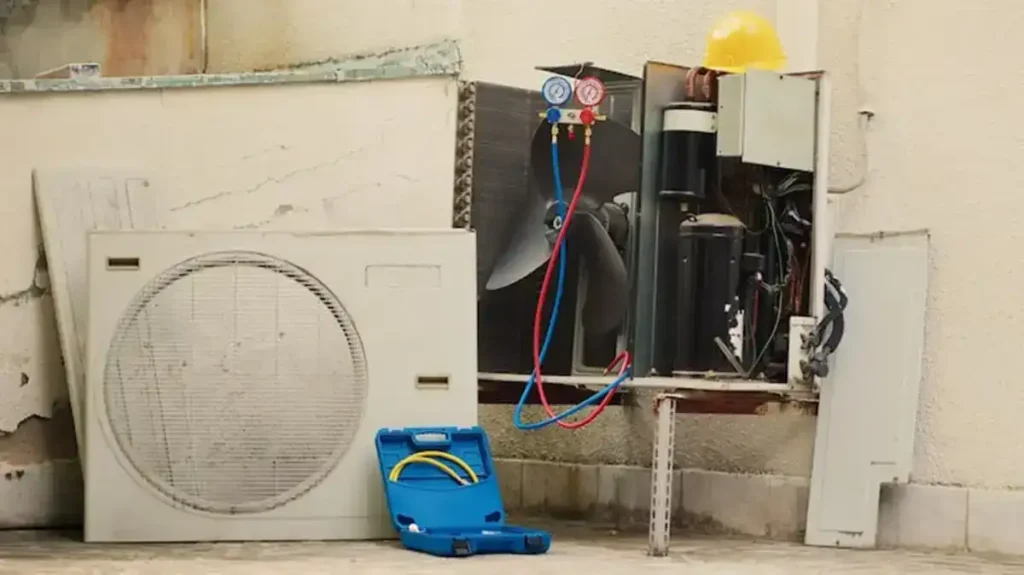
Refrigerant plays a crucial role in maintaining the cooling cycle, and any imbalance in its levels can disrupt system performance. When the refrigerant is too low, the compressor must work harder to maintain pressure, leading to overheating and increased wear. On the other hand, excessive refrigerant can create high-pressure conditions that strain internal components.
These imbalances often develop gradually, making them difficult to detect without proper inspection. As pressure levels fluctuate, the compressor experiences inconsistent operation, which accelerates deterioration. Over time, this strain can lead to internal damage and eventual failure. Maintaining correct refrigerant levels is essential for ensuring that the compressor operates within its intended parameters.
Electrical Issues and Voltage Fluctuations
Electrical problems are another common cause of premature compressor failure. Voltage fluctuations, faulty wiring, or damaged electrical components can interfere with the compressor’s operation. When the electrical supply is unstable, the compressor may struggle to start or run efficiently, leading to increased stress on its internal mechanisms.
Many homeowners facing recurring issues often turn to Innisfil air conditioner repair services to identify electrical irregularities affecting their systems. Over time, repeated exposure to voltage inconsistencies can damage the compressor’s motor, reducing its efficiency and reliability. Addressing electrical issues early helps prevent long-term damage and supports consistent system performance.
Poor Airflow and Heat Accumulation
Airflow is essential for maintaining proper heat exchange within an air conditioning system. When airflow is restricted due to clogged filters, blocked ducts, or dirty coils, heat cannot dissipate effectively. This causes the compressor to operate under elevated temperatures, increasing the risk of overheating.
As the compressor continues to run in these conditions, its internal components are subjected to continuous thermal stress. Over time, this can lead to breakdowns and reduced efficiency. Ensuring proper airflow allows the system to maintain balanced temperatures, reducing the strain placed on the compressor and supporting its longevity.
Contaminants Within the System
Contaminants such as dirt, moisture, and debris can enter the system and interfere with the compressor’s operation. These particles can circulate with the refrigerant, causing internal wear and damaging critical components. Moisture, in particular, can lead to chemical reactions that degrade the system’s integrity.
Once contaminants are present, they can create blockages and reduce the efficiency of the cooling cycle. This forces the compressor to work harder, increasing the likelihood of failure. Regular maintenance and proper sealing of the system help prevent contaminants from entering and causing long-term damage.
Improper Installation and System Design
The way an air conditioning system is installed has a significant impact on the compressor’s lifespan. Incorrect sizing, poor placement, or improper configuration can create conditions that place additional stress on the system. For example, an oversized unit may cycle too frequently, while an undersized unit may run continuously, both of which affect compressor performance.
Improper installation can also lead to issues such as incorrect refrigerant levels or inadequate airflow, further contributing to premature failure. Ensuring that the system is installed correctly helps maintain balanced operation and reduces the risk of unnecessary strain on the compressor.
Lack of Regular Maintenance
Regular maintenance is essential for identifying and addressing potential issues before they escalate. Without routine inspections, small problems such as dirty coils, worn components, or minor leaks can go unnoticed. Over time, these issues can accumulate, placing increasing stress on the compressor.
Maintenance helps ensure that all components are functioning properly and that the system remains balanced. By addressing issues early, it is possible to prevent the conditions that lead to premature failure. Consistent care plays a key role in extending the lifespan of the compressor and maintaining overall system performance.
Long-Term Effects of Compressor Failure
When a compressor fails prematurely, it often affects the entire air conditioning system. Reduced cooling efficiency, increased energy consumption, and the need for costly repairs are common consequences. In some cases, replacing the compressor may not be sufficient, as other components may have been affected by the same underlying issues.
Over time, repeated failures can lead to the need for complete system replacement. Understanding the factors that contribute to compressor failure helps property owners take preventive measures, reducing the likelihood of long-term damage and maintaining system reliability.
Quick Insight on Compressor Issues
AC compressors fail prematurely due to a combination of factors such as refrigerant imbalance, electrical issues, restricted airflow, and system contamination. Improper installation and lack of maintenance further increase the risk of failure. These conditions create ongoing stress that gradually weakens the compressor, leading to reduced efficiency and eventual breakdown. By addressing these factors early, it is possible to support stable operation and extend the lifespan of the system.
Maintaining Compressor Health Over Time
Maintaining the health of an AC compressor requires a proactive approach that includes regular inspections, proper installation, and attention to system balance. Ensuring that refrigerant levels, airflow, and electrical components are properly managed helps reduce stress on the compressor. Addressing issues promptly prevents them from developing into more serious problems.
Over time, consistent maintenance and careful monitoring contribute to reliable system performance and reduced risk of failure. By prioritizing these practices, property owners can extend the lifespan of their air conditioning systems and maintain efficient cooling throughout the year.