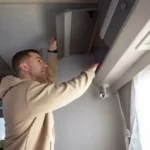

Older homes attract buyers with craftsmanship, solid materials, and character that newer construction often cannot match. Yet the same details that make these properties appealing can turn a renovation into a far more demanding job than expected. Walls are rarely square, framing may have shifted over decades, and hidden systems often reveal costly surprises once demolition begins. Remodeling an older house is not simply about updating finishes. It is about understanding how age, wear, outdated construction methods, and modern code requirements collide. That is why successful renovations depend on careful planning, realistic expectations, and a willingness to solve problems that only appear after work is already underway.
What Old Houses Reveal
- Hidden Conditions Behind Finished Surfaces
One of the hardest parts of renovating an older home is that the real work often remains hidden until walls, ceilings, or floors are opened up. A room may look stable from the outside. Yet, behind the plaster, there may be outdated wiring, undersized framing, moisture damage, insect activity, or previous repairs done quickly rather than correctly. This uncertainty affects scheduling, budgeting, and sequencing from the first day of construction. In newer homes, the path from design to execution is often more predictable. In older properties, every phase has more discovery built into it. Contractors may have to stop, reassess, and redesign parts of the work as conditions become clear. That can frustrate homeowners who want a fixed scope from the start, but older houses rarely cooperate that way. The challenge is not just the age of materials. It is the number of past decisions layered into the structure over decades, often without records, permits, or consistent workmanship. Renovation teams have to separate what can remain, what must be reinforced, and what needs to be fully replaced to support the new work.
- Matching Modern Plans To Old Structures
Design ideas that look simple on paper can become difficult once they meet the realities of an older structure. Removing a wall, expanding a kitchen, or reworking a floor plan may affect load paths built to standards very different from current practice. Ceiling joists may not run where expected. Foundations may have settled unevenly. Floor systems may adequately support existing loads, yet struggle when new finishes, cabinetry, or fixtures are added. This is where older home remodeling shifts from cosmetic improvement to structural judgment. Homeowners often want open layouts and larger rooms, but older houses were usually framed around smaller spaces and different living patterns. Even when changes are possible, the supporting work can be more extensive than expected. That is why careful site investigation matters before ambitious layout decisions are locked in. Many owners start by speaking with experienced home remodelers in your area because older homes demand a different level of practical foresight than straightforward interior updates. A renovation plan needs to respect what the building can realistically support, not just what the concept drawing suggests. When structure and design are aligned early, the project is more likely to stay safe, buildable, and financially manageable.
- Outdated Systems Raise The Stakes
Mechanical, electrical, and plumbing systems are often where renovations in older homes become more expensive and more complex. A house may still function day to day, but that does not mean the systems are ready for expansion, new appliances, additional lighting, or modern comfort expectations. Electrical panels may lack capacity. Wiring may be outdated or improperly modified. Plumbing lines may be corroded, undersized, or routed in ways that complicate access. Heating and cooling systems may not be able to serve a reconfigured layout evenly. Once walls are open, it becomes much harder to justify leaving clearly deficient systems in place, especially when new finishes are going back over them. This creates a difficult balance between preserving the budget and avoiding short-term decisions that create long-term frustration. In older homes, system upgrades are rarely isolated. A bathroom remodel may reveal plumbing issues that affect nearby rooms. A kitchen expansion may trigger electrical work throughout the floor. These linked conditions make renovation more demanding because every improvement can expose a longer chain of work. The project succeeds when those system realities are treated as central to the plan rather than as minor details to sort out later.
Patience Protects The Final Result
Older home renovations are rarely as smooth as glossy project photos suggest. They require patience because the building often reveals its needs in stages rather than all at once. What makes these projects worthwhile is also what makes them demanding: original materials, layered history, and construction methods that do not always align neatly with modern goals. The homes can be beautifully improved, but only when the work respects the complexity hidden beneath the surface. Owners who succeed in these projects usually accept early that renovation is partly about adaptation. The process rewards careful investigation, flexible planning, and construction decisions rooted in what the house is actually saying once work begins.