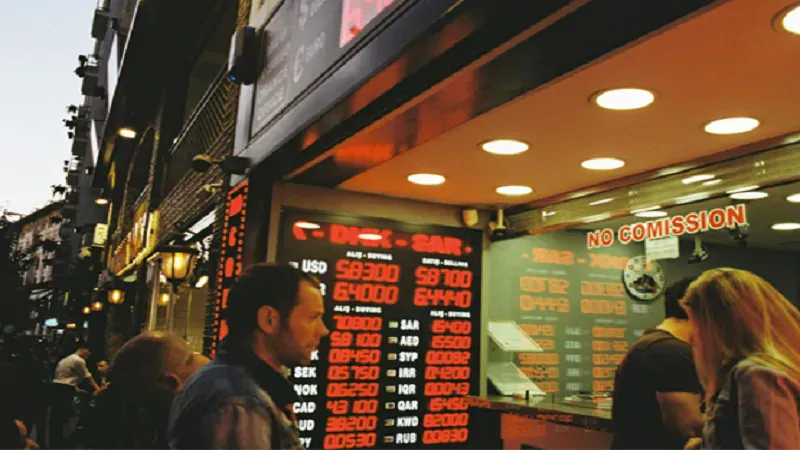

Currency exchange is one of those travel costs that most people underestimate until they’re standing at an airport kiosk staring at a rate that makes no sense. Getting smart about exchange rates before you travel can save you a meaningful amount of money – and it’s not as complicated as it might seem.
Understanding Exchange Rates
The first thing to understand is that exchange rates are not fixed. They fluctuate constantly based on global financial markets. The rate you see quoted online is the mid-market rate – essentially the “true” rate between two currencies before any fees or margins are applied. What banks and exchange services charge you is this rate plus their markup. Understanding that gap is the starting point for making better choices.
The Problem with Airport Exchange Desks
Airport currency exchange desks are almost universally the worst option. They operate in a captive market, knowing you’re about to board a flight and may not have other options. Their margins are typically well above what you’d get elsewhere. If at all possible, avoid exchanging currency at the airport – especially if you’re exchanging a large amount.
Strategies to Save Money
Instead, compare rates from your bank, online currency exchange platforms, and international ATMs at your destination. In many countries, using your card to withdraw local currency from an ATM offers a rate very close to the mid-market rate, minus a small ATM fee. That’s often a better deal than buying cash before you leave.
ING Australia offers account holders the ability to make overseas ATM withdrawals and purchases without foreign transaction fees, which is a significant advantage for international travellers. When you’re not being charged a fee on every transaction or withdrawal, the savings accumulate quickly over the course of a trip. It’s the kind of feature that sounds modest in isolation but makes a real difference when you’re travelling for two or three weeks.
Another strategy is to buy your foreign currency in advance when the rate is favourable. If you’re travelling in six months, and you see the Australian dollar performing well against your destination currency, locking in some of that currency now can pay off. Online currency providers often let you set rate alerts so you get notified when the rate hits a level you’re comfortable with.
Paying in local currency rather than your home currency when you’re overseas is also important. Some terminals offer to charge you in Australian dollars – this is known as dynamic currency conversion, and it almost always comes with a poor exchange rate. Always choose to pay in the local currency and let your bank handle the conversion.
One more tip: don’t exchange money back into Australian dollars at the end of your trip unless you have no choice. Rates for converting back are often worse than what you paid going the other way. Spend down your foreign cash before you leave, or hold onto it if you’re planning another trip to the same region.
Avoid Common Mistakes Today
Managing currency doesn’t require being a forex expert. It just requires a bit of planning and the right banking tools in your corner.