
Key Takeaways
- Regular inspections and cleanings are vital for preventing dangerous creosote buildup.
- Choosing appropriate fuel and practicing safe fireplace habits greatly reduces risk.
- Early awareness of chimney issues enables prompt repairs and safer operation.
Table of Contents
- Importance of Regular Chimney Inspections
- Proper Fuel Selection and Usage
- Safe Fireplace Operation Practices
- Common Chimney Issues and How to Address Them
- When to Call a Professional
- Conclusion
Keeping your chimney in excellent condition is crucial to maintaining a safe and comfortable home environment. Regular care not only helps prevent fire hazards but also ensures your fireplace operates efficiently year-round. Homeowners who want to protect their property and loved ones should understand the basics of chimney safety and maintenance. For expert advice and reliable professional service, visit Southernchimneys.com.
A neglected chimney can quickly become hazardous, posing risks such as carbon monoxide leaks, structural damage, and destructive chimney fires. With thoughtful maintenance, many of these dangers are easily avoidable. By adopting simple routines and knowing when to seek professional help, you can minimize threats and enjoy your fireplace with peace of mind.
Besides the threat of fires, another risk associated with improper chimney maintenance is carbon monoxide poisoning. According to the United States Consumer Product Safety Commission, about 170 Americans die every year from carbon monoxide poisoning caused by non-automotive consumer products, including blocked or poorly maintained chimneys. Regular and thorough chimney care directly protects your family’s well-being. For additional guidance on chimney health, the HomeTips’ chimney cleaning and DIY chimney repair guide is an excellent read.
Importance of Regular Chimney Inspections
An annual chimney inspection is the foundation of fireplace safety for every homeowner. The Chimney Safety Institute of America (CSIA) recommends scheduling inspections at least once a year, ideally before peak fireplace season. Inspections help identify hidden structural issues, excessive creosote deposits, and blockages that could compromise ventilation. Early detection prevents small problems from becoming expensive or dangerous repairs later. Hiring a CSIA-certified professional offers the most thorough assessment and the peace of mind that your chimney is functioning safely.
Proper Fuel Selection and Usage
Burning the correct fuel is essential to keeping your chimney safe and minimizing repair costs. Always use dry, seasoned hardwoods that have been cut and stored for at least six to twelve months. Green or wet wood creates a smoky fire and leaves behind excessive creosote, a highly flammable byproduct that frequently causes chimney fires. Avoid burning trash, cardboard, magazine inserts, or painted and treated wood. These materials not only create more smoke and soot but can also release toxins harmful to your family and damaging to the chimney lining.
Safe Fireplace Operation Practices
Consistent safe habits go a long way in reducing the risk of accidental fires or injuries.
- Install and use a mesh screen or glass doors in front of the fireplace to keep sparks contained and prevent burning embers from escaping.
- Keep all flammable items, such as rugs, furniture, curtains, and holiday decorations, at least three feet away from the fireplace opening.
- Never leave a fire unattended. Make sure it is fully extinguished before leaving your home or going to bed.
- Have working smoke and carbon monoxide detectors installed near the fireplace and sleeping areas.
Common Chimney Issues and How to Address Them
Recognizing and addressing chimney problems quickly maintains safety and extends the chimney’s lifespan.
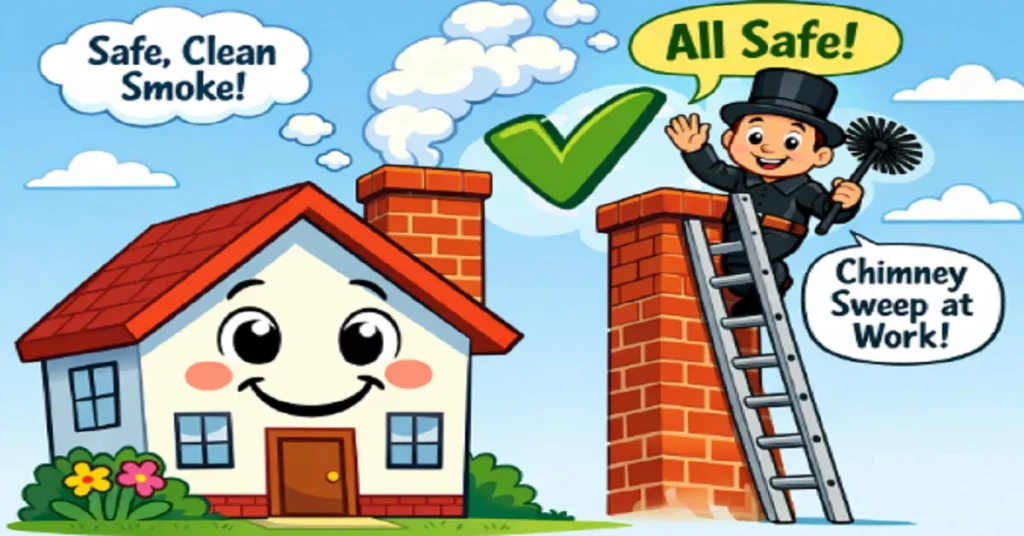
- Creosote Buildup: This byproduct of burning wood can accumulate quickly, especially when improper fuel is used. Professional cleaning removes this flammable residue, drastically reducing fire risk.
- Blockages: Debris such as bird nests, leaves, or twigs can accumulate, restricting airflow and increasing the risk of dangerous fume buildup inside your home. Installing a chimney cap is an effective preventative measure.
- Structural Damage: Exposure to weather and heat cycles can cause cracking, spalling, or loose bricks. Addressing these issues early with professional help keeps your fireplace efficient and safe to use.
For more on common repair solutions, This Old House’s guide to common chimney repairs provides valuable insight.
When to Call a Professional
Certain chimney maintenance tasks, such as sweeping, inspection, and major repairs, should always be entrusted to a certified professional. Schedule a professional cleaning at least once a year, or sooner if you notice heavy creosote buildup or any unpleasant odors. If visible cracks, loose bricks, or signs of settling appear, do not use the fireplace until a chimney professional has made a thorough assessment. After any chimney fire or significant storm, an inspection ensures your system is safe before resuming use.
Conclusion
Proactive chimney maintenance is an investment in your home’s safety and comfort. Annual inspections, thoughtful fuel choices, and disciplined fireplace habits will protect your family from unnecessary risks and preserve the efficiency of your heating system. At the first sign of trouble, reach out to trained professionals who have the tools and experience to keep your chimney functioning safely and smoothly through every season.