
Key Takeaways
- License Plate Recognition (LPR) technology enhances traffic management and reduces congestion.
- Integrating LPR with IoT systems leads to more efficient parking solutions.
- Advancements in AI and machine learning improve the accuracy and functionality of LPR systems.
Introduction to License Plate Recognition Technology
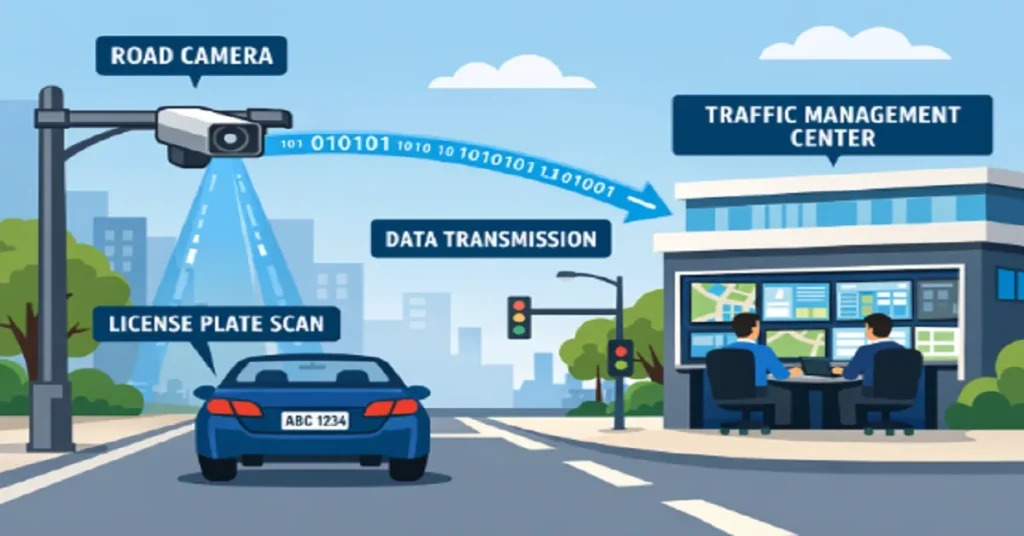
License plate recognition technology is rapidly transforming how cities solve urban mobility challenges. With advanced cameras and cutting-edge software, this system automatically reads and processes vehicle license plates. The resulting data provides opportunities to optimize traffic flow, cut congestion, and facilitate a range of mobility solutions. Urban planners and transportation officials are adopting license plate recognition technology for parking enforcement to streamline vehicle monitoring and improve regulatory compliance. The deployment of LPR technology eliminates many manual processes that once slowed traffic and complicated parking enforcement. By eliminating the need for human intervention in license plate checks, cities not only increase efficiency but also pave the way for more seamless interactions between vehicles and infrastructure. This positions LPR as a foundational component of future urban mobility systems.
Enhancing Traffic Management
One of the most significant advantages of LPR is its ability to collect real-time data at key intersections and major roadways. By monitoring vehicle counts and flow, municipal traffic management centers can instantly analyze patterns and adjust traffic signal timings as needed. This responsive approach helps prevent prolonged congestion and reduces average travel times for commuters and emergency services. According to research, cities utilizing data-driven traffic solutions see measurable improvements in traffic efficiency and air quality. LPR also helps identify bottlenecks or accident-prone areas early. By integrating this technology with traffic management software, city planners can make data-backed decisions about infrastructure improvements or targeted enforcement, further optimizing mobility in dense urban centers.
Innovations in Parking Solutions
Integrating LPR technology with IoT devices has led to a new era of intelligent parking systems. Equipped with vehicle detection sensors and real-time plate scanning, modern parking lots can now determine spot availability, guide drivers directly to open spaces, and automate payment transactions. These innovations eliminate the need for paper tickets and significantly reduce the time drivers spend searching for parking, thereby lowering overall congestion in busy districts. Studies published in Scientific Reports confirm the positive impact of IoT-based parking guidance systems on city traffic flow and occupancy rates. Besides convenience, LPR helps reduce unauthorized vehicle use of parking resources by automatically flagging violations and expediting enforcement. Cities benefit from increased compliance and better use of the limited parking supply, while motorists appreciate clearer information and stress-free parking experiences.
Advancements in AI and Machine Learning
Advancements in artificial intelligence and machine learning are at the core of the recent leap in LPR system capabilities. Earlier versions of LPR struggled with accuracy due to varying light conditions, dirty or obscured plates, or unusual characters. However, today’s AI-powered systems learn continuously from real-world data, refining their ability to recognize plates under challenging conditions with great reliability. For more details on these advancements, Campus Safety Magazine’s coverage on AI and machine learning in LPR explains how these technologies drive superior recognition rates.
As vehicles and transportation networks become more connected, LPR systems are evolving as well. These systems increasingly interact with other smart infrastructure, such as variable message signs and dynamic lane assignments, to create safer and more adaptive roadway environments.
Real-World Applications and Benefits
Major cities are embracing LPR technology to address a range of mobility challenges. Kansas City, for instance, has implemented Automated License Plate Recognition (ALPR) to manage parking supply while efficiently enhancing safety and regulatory compliance. In cities with complex event parking needs, such as stadiums and downtown districts, LPR provides a streamlined experience for drivers and parking authorities alike, reducing disorder and improving revenue collection. These case studies prove the scalability and adaptability of LPR solutions across urban landscapes.
Enhancing Security and Compliance
LPR systems are now critical tools for public safety agencies as well. Law enforcement can use these systems to identify stolen or wanted vehicles, track traffic violations, and enforce parking laws. The real-time data provided by LPR enables rapid incident response and efficient monitoring of high-risk areas, contributing to a safer urban environment while supporting broader security initiatives.
Challenges and Considerations
Despite widespread adoption, LPR raises important discussions about privacy and data security. City governments and technology providers must address concerns related to the collection, storage, and sharing of vehicle and personal information. Implementing robust data protection measures and transparent policies is essential to ensuring public trust and safeguarding individual rights. A thoughtful approach to policy and technology deployment can help cities balance these concerns while reaping the full benefits of LPR.
Future Prospects
The future of LPR in urban mobility looks promising. As AI models grow more sophisticated and are paired with next-generation sensor networks, these systems will continue to blur the lines between traditional vehicle management and smart-city solutions. In the coming years, LPR is expected to play a vital role in managing the interaction between connected vehicles and autonomous driving platforms, fueling the next wave of smart, sustainable, and efficient urban environments. License Plate Recognition technology is a cornerstone in the transition to more intelligent, responsive cities. By enabling effortless regulation, smarter mobility planning, and robust security, LPR underpins a vision of urban life where efficiency and convenience go hand in hand with public safety and privacy protection.
Conclusion
License Plate Recognition (LPR) technology is redefining how cities approach mobility, traffic control, and parking management. By combining real-time data collection with AI-driven insights and IoT integration, LPR systems enable faster decision-making, improved efficiency, and enhanced user experiences across urban environments. While privacy and data security challenges remain important considerations, thoughtful implementation can ensure these systems deliver maximum value while maintaining public trust. As cities continue to evolve, LPR will play a crucial role in building smarter, safer, and more connected transportation ecosystems for the future.